
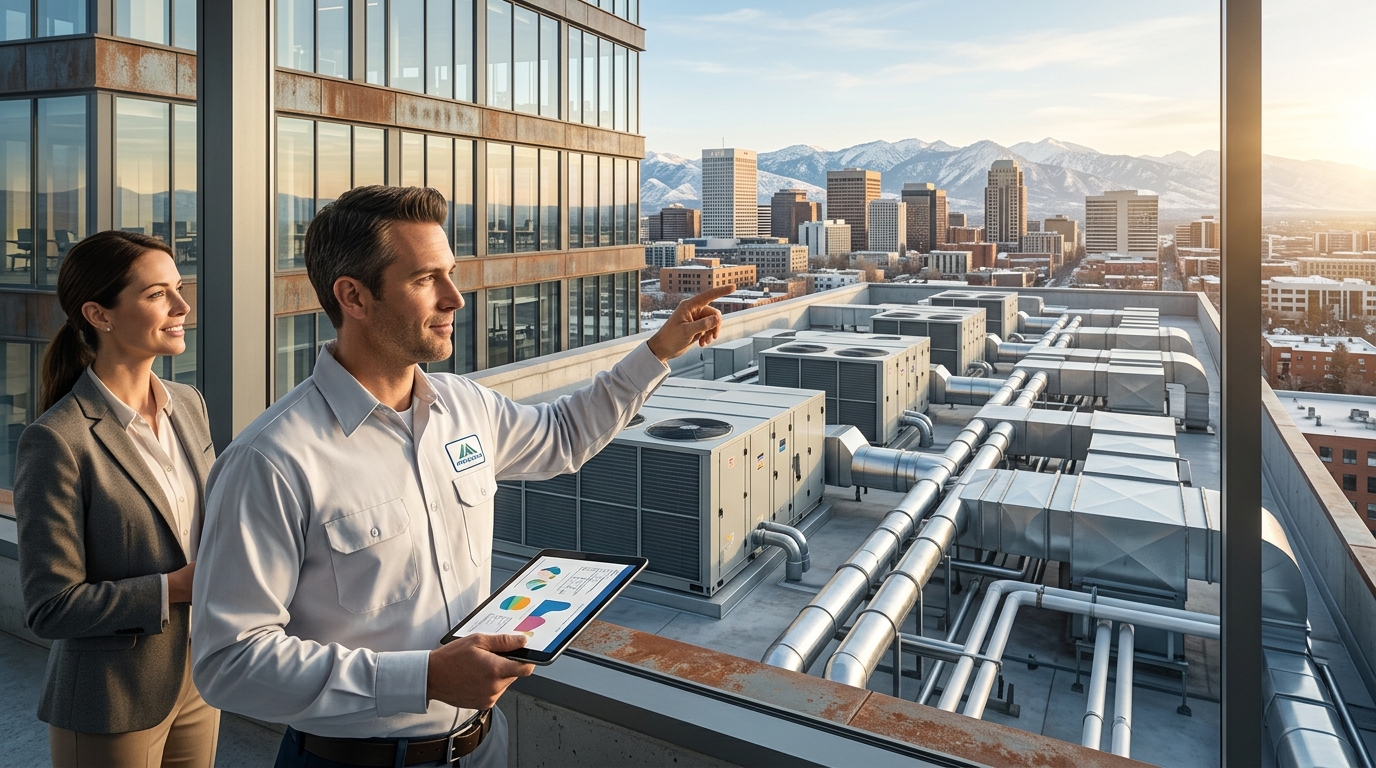
Commercial facilities face unique thermal challenges that residential systems simply cannot address. According to the U.S. Department of Energy, heating and cooling account for approximately 30% of the energy consumption in commercial buildings. This statistic highlights the critical need for optimized HVAC strategies that reduce operational costs while maintaining consistent indoor air quality. For business owners, efficiency is not just about comfort; it is a direct driver of profitability and regulatory compliance.
Diagnostic Basics for Commercial Systems
Ensuring efficiency begins with accurate diagnostics. Commercial HVAC systems are complex networks of air handlers, chillers, boilers, and extensive ductwork. A cooling diagnostic service is essential to identify inefficiencies before they lead to catastrophic failure. Technicians use specialized tools to measure airflow, refrigerant levels, and electrical resistance across the system.
One common issue in commercial facilities is duct leakage. Leaky ducts can waste up to 30% of conditioned air before it reaches the occupied spaces. This loss forces the system to work harder, increasing energy bills and wear on components. Regular inspections help pinpoint these leaks and seal them effectively.
Another critical aspect is the balance of the system. An unbalanced system may overwork certain zones while under-serving others. This imbalance leads to inconsistent temperatures and increased energy consumption. Professional technicians adjust dampers and airflow rates to ensure even distribution throughout the facility.
The Role of Preventive Maintenance
Preventive maintenance is the cornerstone of commercial HVAC efficiency. Without a structured maintenance plan, systems degrade rapidly, leading to higher repair costs and reduced lifespan. Apex Clean Air offers comprehensive AC maintenance services designed to keep commercial systems running at peak performance.
Regular maintenance includes cleaning coils, replacing filters, and lubricating moving parts. These simple tasks prevent dust and debris from accumulating, which can restrict airflow and reduce heat exchange efficiency. According to the Environmental Protection Agency, regular maintenance can improve HVAC system efficiency by up to 20%.
Seasonal tune-ups are also vital. Before the peak summer heat or winter cold, technicians inspect and adjust systems to handle the upcoming load. This proactive approach prevents breakdowns during critical periods and ensures that the system is ready for high-demand scenarios.
Indoor Air Quality and Filtration
Efficient HVAC systems must also prioritize indoor air quality (IAQ). Poor IAQ can lead to health issues for employees and customers, reducing productivity and increasing liability. Air purification services are essential for removing contaminants such as dust, pollen, and volatile organic compounds (VOCs) from the air.
Filtration is a key component of IAQ management. High-efficiency particulate air (HEPA) filters can capture 99.97% of particles as small as 0.3 microns. However, these filters require regular replacement to maintain their effectiveness. Clogged filters restrict airflow, forcing the system to work harder and consume more energy.
Air duct cleaning is another critical service for maintaining IAQ. Over time, ducts accumulate dust, mold, and other debris. This buildup can circulate through the facility, contaminating the air and reducing system efficiency. Air duct cleaning services remove these contaminants, improving both air quality and system performance.
Technology and Smart Controls
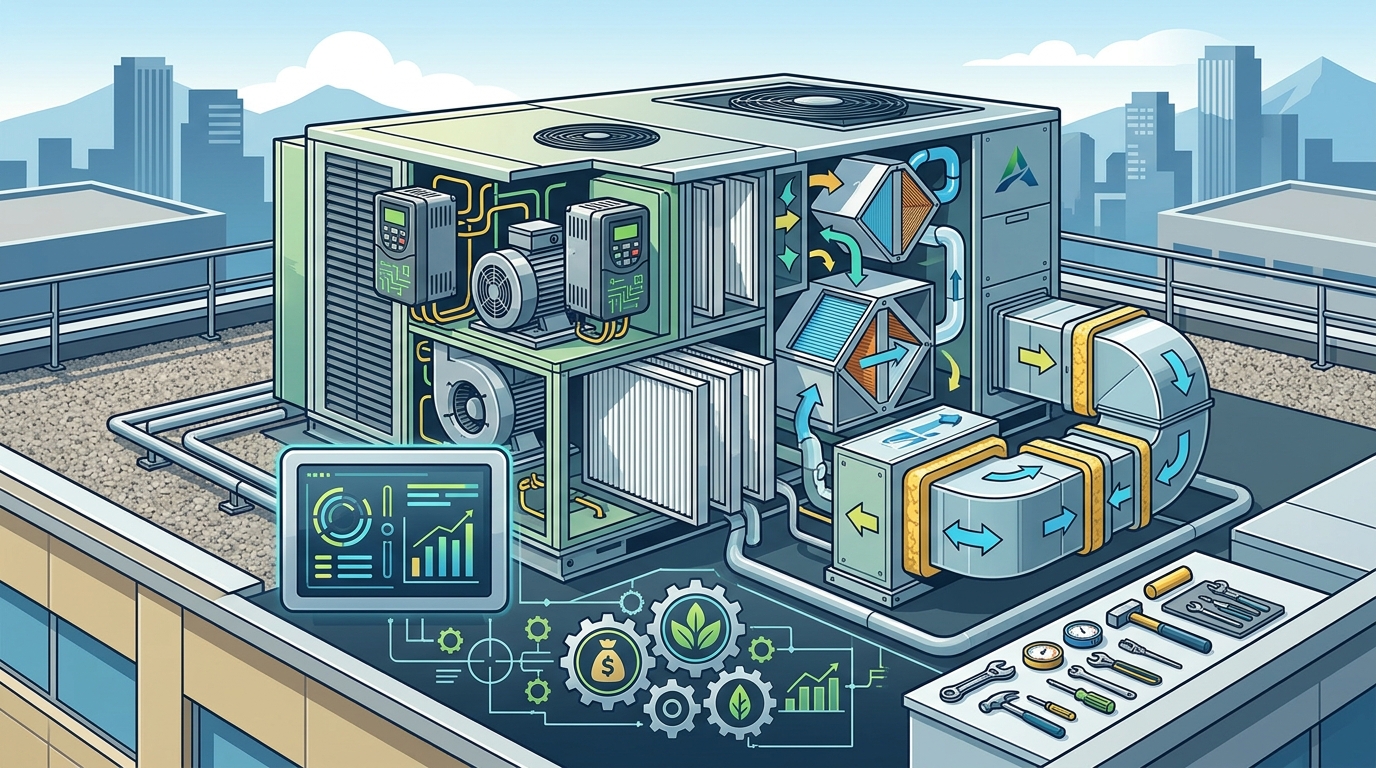
Modern commercial HVAC systems benefit greatly from technology integration. Smart thermostats and building management systems (BMS) allow for precise control over heating and cooling. These systems can adjust temperatures based on occupancy, weather conditions, and time of day.
Variable refrigerant flow (VRF) systems are another technological advancement. VRF systems can heat and cool different zones independently, providing greater flexibility and efficiency. This technology is particularly useful in large commercial buildings with varying thermal loads.
Energy monitoring tools provide real-time data on system performance. This data helps facility managers identify inefficiencies and make informed decisions about upgrades or adjustments. By leveraging technology, businesses can optimize their HVAC systems for maximum efficiency and cost savings.
When to Upgrade vs. Repair
Deciding whether to repair or replace a commercial HVAC system is a critical decision. Several factors influence this choice, including the age of the system, the cost of repairs, and the potential energy savings from a new system.
If a system is over 15 years old and requires frequent repairs, replacement may be the more cost-effective option. Newer systems are significantly more efficient and come with advanced features that older models lack. Additionally, government incentives and rebates may be available for upgrading to energy-efficient systems.
Apex Clean Air provides AC installation services and furnace installation services for commercial clients. Our team conducts thorough assessments to determine the best course of action for each facility. We ensure that new installations are optimized for efficiency and compliance with local regulations.
Key Takeaways
- Heating and cooling account for 30% of commercial building energy use, making efficiency critical.
- Regular cooling diagnostic services prevent costly breakdowns and maintain performance.
- Preventive maintenance can improve HVAC efficiency by up to 20% according to EPA guidelines.
- High-efficiency filtration and air duct cleaning are essential for indoor air quality.
- Smart controls and VRF systems offer precise management and significant energy savings.
- Systems over 15 years old may benefit more from replacement than repair.
- Apex Clean Air serves commercial clients in Salt Lake City, Boise, Denver, and Colorado Springs.
Frequently Asked Questions
How often should commercial HVAC systems be serviced?
Commercial HVAC systems should be serviced at least twice a year, typically in the spring and fall. This ensures that the system is prepared for peak heating and cooling seasons.
What is the difference between commercial and residential HVAC efficiency?
Commercial systems are larger and more complex, often requiring specialized diagnostics and maintenance. They also operate under different load conditions and regulatory standards.
Can smart thermostats really save money on commercial energy bills?
Yes, smart thermostats can optimize heating and cooling schedules, reducing energy waste when spaces are unoccupied. This can lead to significant cost savings over time.
Why is indoor air quality important for commercial facilities?
Good indoor air quality improves employee health and productivity, reduces liability, and ensures compliance with health and safety regulations.
How do I know if my commercial HVAC system needs replacement?
If your system is over 15 years old, requires frequent repairs, or has significantly higher energy bills than similar buildings, it may be time to consider replacement.
What services does Apex Clean Air offer for commercial clients?
Apex Clean Air offers a full range of commercial HVAC services, including installation, repair, maintenance, and indoor air quality solutions.
Does Apex Clean Air provide financing options?
Yes, Apex Clean Air offers financing options to help commercial clients manage the cost of new HVAC installations and major repairs.
Optimize Your Commercial Facility Today
Achieving efficient heating and cooling for your commercial facility requires a strategic approach that combines regular maintenance, advanced technology, and expert diagnostics. Apex Clean Air is dedicated to helping businesses in Salt Lake City, Boise, Denver, and Colorado Springs maintain optimal indoor environments. Contact your local office to schedule a consultation and discover how we can help you reduce costs and improve comfort.