
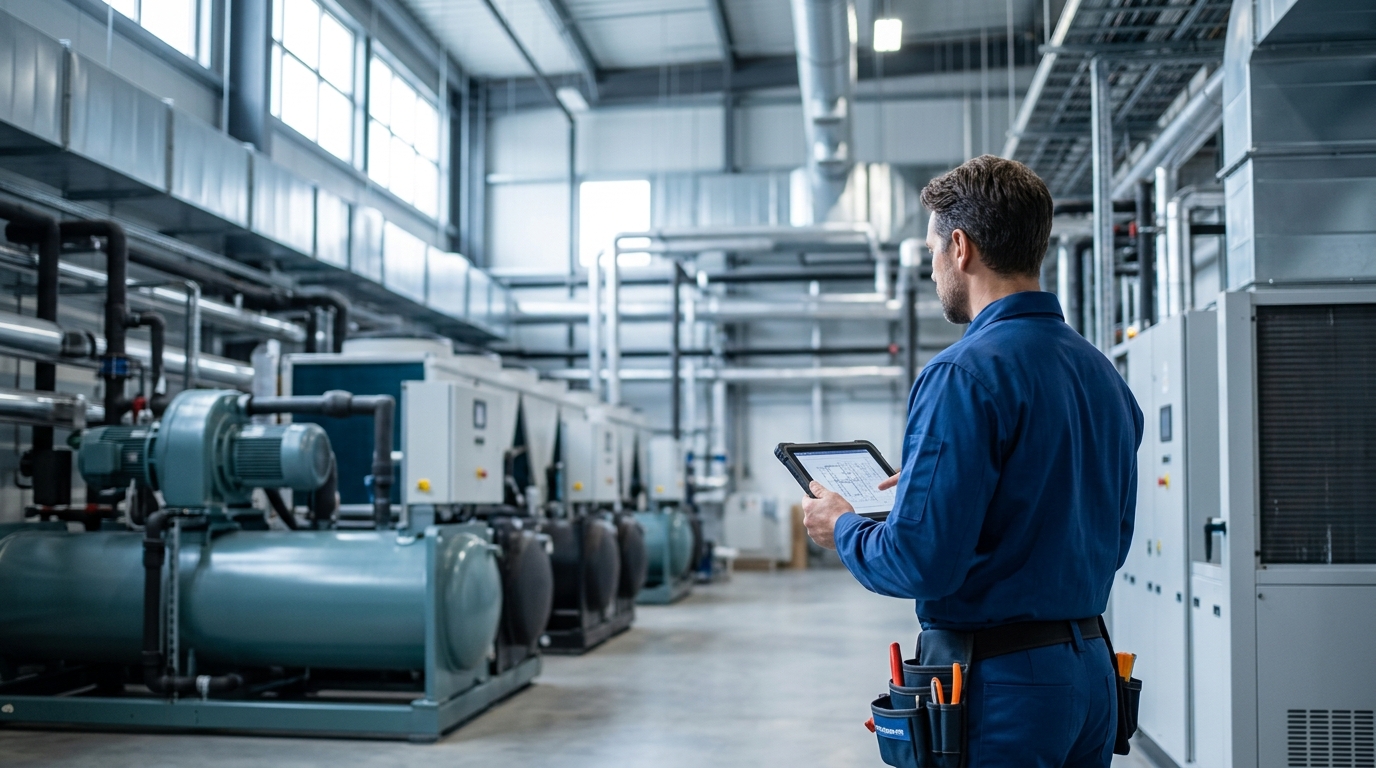
Maintaining Large Commercial HVAC Systems: Best Practices from Apex Clean Air
Large commercial buildings require a robust HVAC system to ensure a comfortable and productive environment for employees and tenants. Proper maintenance is crucial to ensure the system operates efficiently and reliably. Apex Clean Air, a leading HVAC services provider, shares best practices for maintaining large commercial HVAC systems. (About Us Apex Clean)
1. Regular Inspections
Regular inspections are essential to identify potential issues before they escalate. Apex Clean Air recommends scheduling annual inspections for large commercial HVAC systems. During inspections, technicians check system components, including filters, belts, motors, and ductwork, for wear and tear. (AC Installation Services UT)
2. Filter Replacement
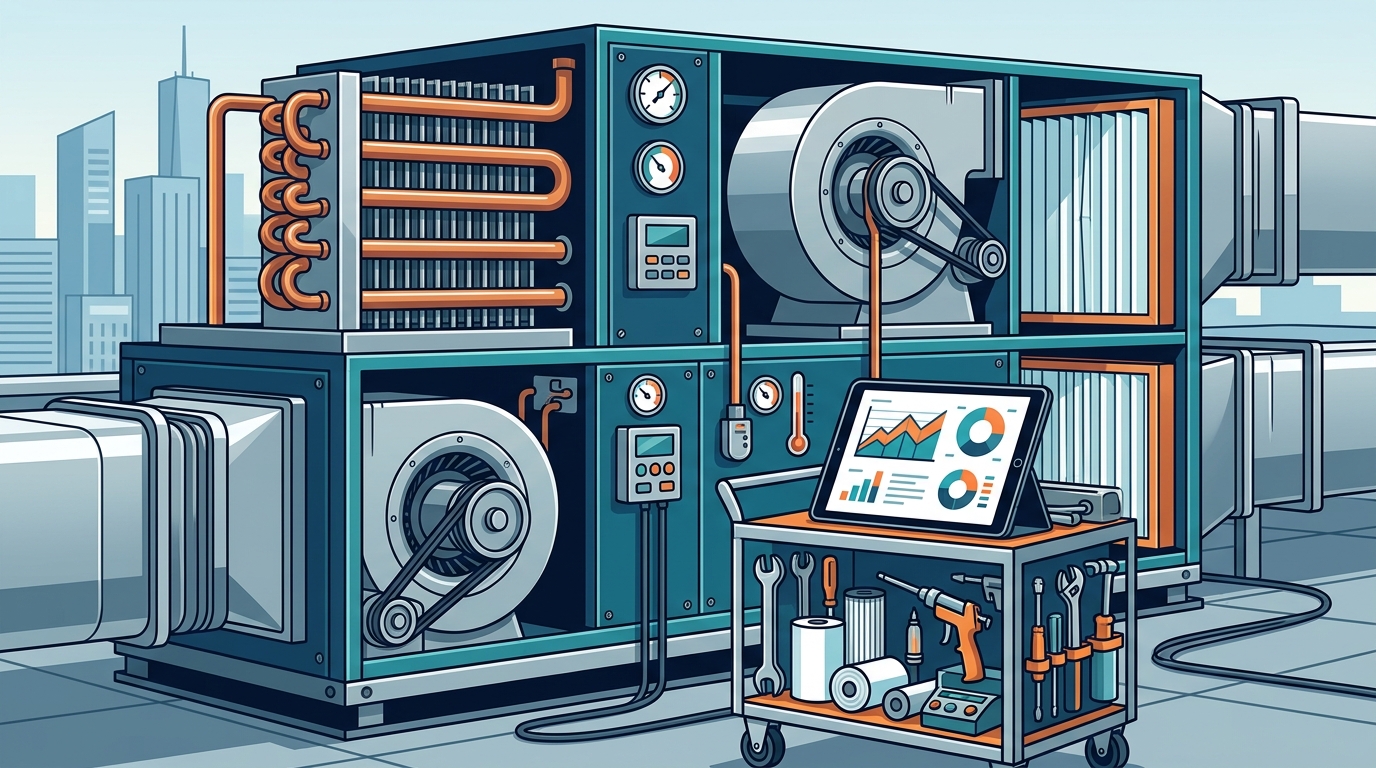
Filter replacement is a critical component of HVAC system maintenance. Dirty filters restrict airflow and reduce system efficiency. Apex Clean Air suggests replacing filters every 1-3 months, depending on the building's size and occupancy. (AC Repair Services UT)
3. Preventive Maintenance
Preventive maintenance involves regular cleaning, lubrication, and adjustments to keep the system running smoothly. Apex Clean Air offers customized maintenance plans tailored to each building's unique requirements. (AC Maintenance Services UT)
4. Energy Efficiency
Energy efficiency is a significant concern for large commercial buildings. Apex Clean Air recommends upgrading to energy-efficient HVAC systems, optimizing system controls, and implementing energy management systems to reduce energy consumption and costs. (Air Purification Services UT)
5. Emergency Preparedness
Unexpected HVAC system failures can cause significant disruptions. Apex Clean Air suggests developing an emergency preparedness plan, including backup power sources and emergency contact information.
6. Training and Education
Properly trained staff can help prevent HVAC system issues and ensure efficient operation. Apex Clean Air offers training programs for building managers and maintenance personnel.
7. Technology Integration
Integrating advanced technologies, such as IoT sensors and AI, can help optimize HVAC system performance and reduce maintenance costs. Apex Clean Air offers technology integration services for large commercial buildings.
Frequently Asked Questions
-
What is the recommended frequency for HVAC system inspections?
Apex Clean Air recommends annual inspections for large commercial HVAC systems.
-
How often should filters be replaced?
Filters should be replaced every 1-3 months, depending on the building's size and occupancy.
-
What are the benefits of preventive maintenance?
Preventive maintenance helps keep the HVAC system running smoothly, reduces energy consumption, and extends the system's lifespan.
-
How can large commercial buildings improve energy efficiency?
Upgrading to energy-efficient HVAC systems, optimizing system controls, and implementing energy management systems can help improve energy efficiency for large commercial buildings.
-
What is the importance of emergency preparedness for HVAC systems?
Unexpected HVAC system failures can cause significant disruptions. Developing an emergency preparedness plan, including backup power sources and emergency contact information, is essential.
Contact Apex Clean Air to learn more about our HVAC system maintenance services for large commercial buildings.