
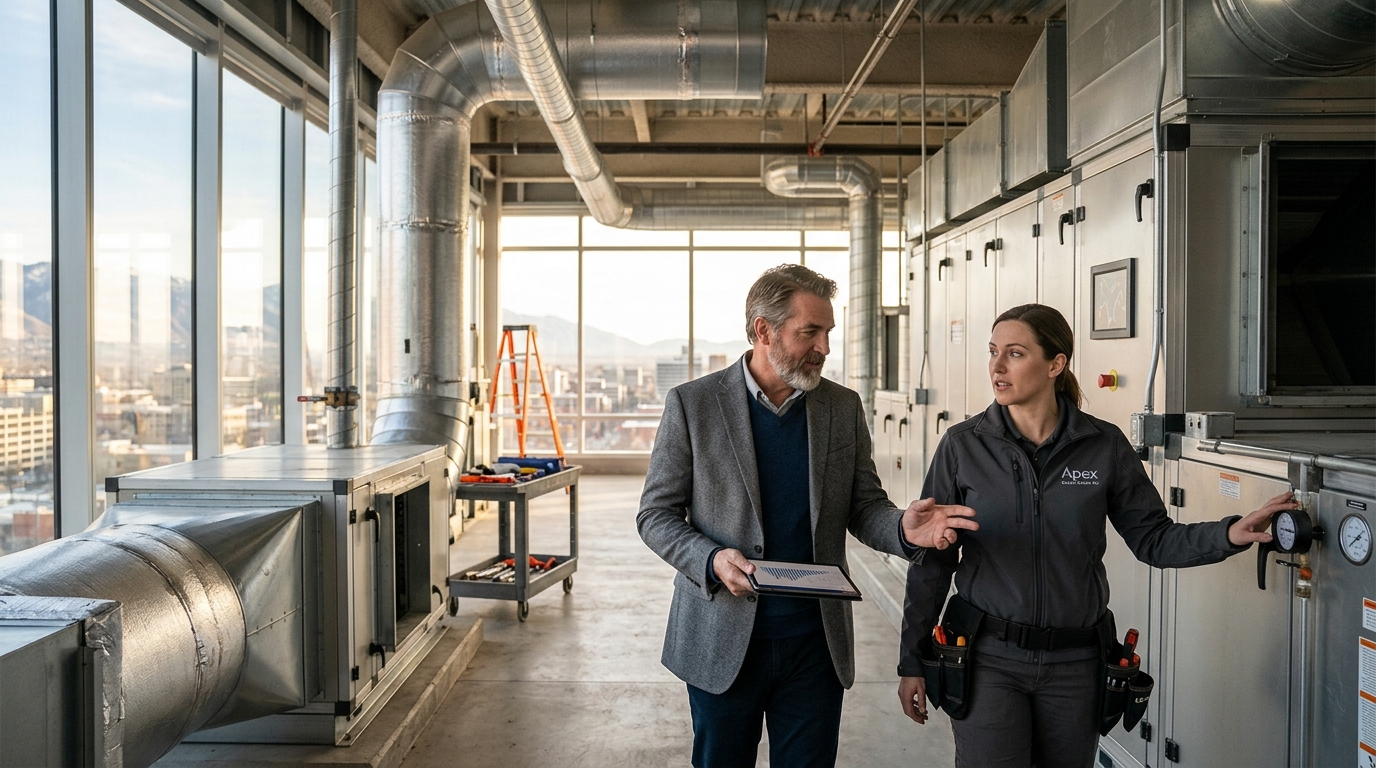
Commercial buildings account for nearly 40 percent of total energy consumption across the United States. According to the U.S. Department of Energy, optimizing climate control systems directly reduces operational overhead while extending equipment lifespan. Facility managers must implement strategic diagnostics, modern zoning protocols, and proactive maintenance schedules to maintain peak performance. This guide outlines the exact operational steps required to maximize thermal efficiency and minimize utility expenditures.
Conduct Comprehensive System Diagnostics
Before implementing any upgrades, facility managers must establish a precise baseline of current energy consumption. A Commercial HVAC Audit is a systematic evaluation of thermal distribution, equipment capacity, and energy consumption metrics. These audits reveal hidden inefficiencies like duct leakage, refrigerant imbalances, and oversized compressors. You should schedule a professional assessment to map your facility's thermal loads accurately. Heating diagnostics and cooling evaluations provide the data needed to right-size your equipment. Proper load calculations prevent energy waste and reduce premature wear on mechanical components. Regular audits also identify compliance gaps with local building codes and environmental regulations. You must track static pressure readings and airflow volumes to verify distribution matches design specifications. Energy Star benchmarks provide industry standards for commercial efficiency ratings.
Implement Advanced Zoning Strategies
Large commercial spaces rarely require uniform temperature settings across every square foot. Building Zoning is the architectural division of a facility into independent thermal control zones. By installing variable air volume systems, you can direct conditioned air exactly where it is needed. This approach eliminates hot spots and reduces unnecessary compressor cycling. Cooling services often incorporate zoning dampers and smart thermostats to balance airflow dynamically. Facility managers report up to 30 percent energy savings after implementing multi-zone configurations. You should consult with certified technicians to design a zoning map that matches your floor plan. This strategy also extends equipment lifespan by reducing constant start-stop cycles. You must verify that your existing ductwork can handle variable airflow without creating excessive noise or pressure drops.
Integrate Indoor Air Quality Protocols
Thermal efficiency means nothing if your facility fails to meet modern air quality standards. Indoor Air Quality is the measure of contaminant levels and ventilation effectiveness within enclosed spaces. Commercial environments generate higher concentrations of particulate matter, volatile organic compounds, and biological aerosols. You must upgrade filtration systems to MERV 13 or higher to capture microscopic pollutants. Indoor air quality testing identifies specific contaminants that compromise employee health and productivity. Proper ventilation rates prevent carbon dioxide buildup and reduce sick building syndrome incidents. You should also consider ultraviolet germicidal irradiation to neutralize mold and bacteria on cooling coils. These upgrades protect your workforce while maintaining strict regulatory compliance. EPA guidelines recommend continuous monitoring for commercial occupancy limits.
Establish Preventative Maintenance Routines
Reactive repairs destroy profit margins and disrupt daily operations. Preventative Maintenance is a scheduled series of inspections and component replacements designed to prevent unexpected equipment failure. You should enroll your facility in a comprehensive service agreement that covers seasonal tune-ups and emergency priority response. Comfort Club programs provide discounted parts, priority scheduling, and extended equipment warranties. Data shows that facilities with active maintenance contracts experience 95 percent fewer breakdowns during peak seasons. You must track filter changes, refrigerant levels, and belt tensions on a monthly basis. Consistent maintenance preserves manufacturer warranties and maximizes return on investment. You should never skip annual professional inspections regardless of system age. ASHRAE standards dictate minimum maintenance intervals for commercial mechanical systems.
Upgrade to Smart Building Technology
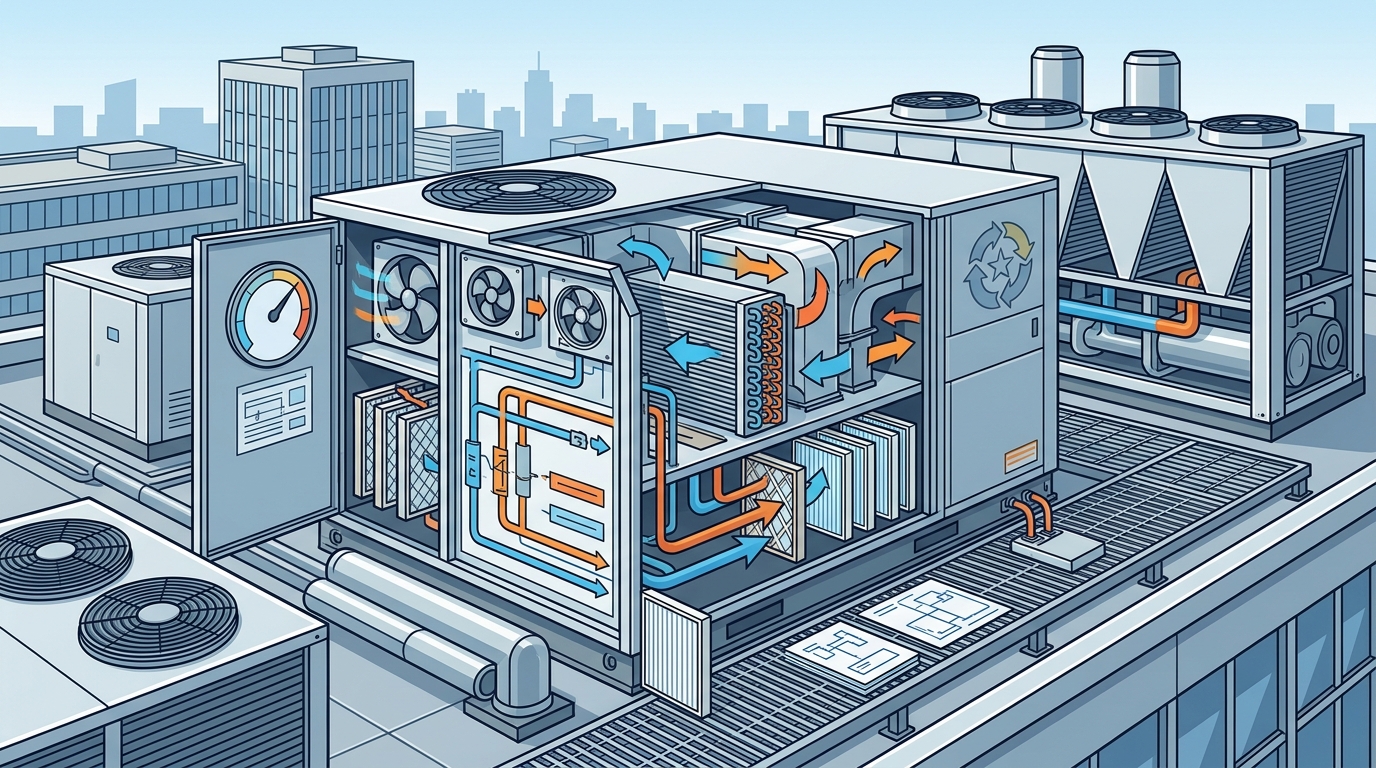
Modern commercial facilities require centralized control over all mechanical systems. Building Automation System is a network of interconnected controllers that monitor and regulate mechanical and electrical equipment. These platforms integrate HVAC, lighting, and security into a single dashboard. You can adjust setpoints remotely and generate real-time energy reports from any device. About our team highlights our expertise in deploying enterprise-grade automation solutions. Smart controllers learn occupancy patterns and automatically optimize compressor speeds. You will see immediate reductions in peak demand charges and off-hours energy waste. Facility managers should prioritize systems that support open communication protocols like BACnet or Modbus. These standards ensure long-term scalability and prevent vendor lock-in. CDC recommendations emphasize continuous monitoring for commercial ventilation efficiency.
| System Type | Ideal Facility Size | Estimated Lifespan | Maintenance Frequency |
|---|---|---|---|
| Rooftop Units | Medium to Large Commercial | 15 to 20 Years | Semi-Annual |
| Split Systems | Small to Medium Retail | 12 to 15 Years | Annual |
| VRF Systems | Large Multi-Zone Buildings | 15 to 20 Years | Semi-Annual |
| Geothermal Loops | Large Institutional | 25 to 50 Years | Annual |
Key Takeaways
- Commercial buildings consume nearly 40 percent of national energy resources.
- Proper load calculations prevent oversized equipment and reduce energy waste.
- Multi-zone configurations can lower utility costs by up to 30 percent.
- Facilities with active maintenance contracts experience 95 percent fewer breakdowns.
- Smart automation platforms reduce peak demand charges and off-hours waste.
- Upgrading to MERV 13 filtration significantly improves employee health metrics.
- Geothermal systems offer the longest equipment lifespan across commercial sectors.
Frequently Asked Questions
How often should I schedule commercial HVAC inspections?
You should schedule professional inspections twice annually, ideally before peak heating and cooling seasons. Bi-annual visits allow technicians to clean coils, check refrigerant levels, and calibrate sensors. Regular inspections prevent minor issues from escalating into costly emergency repairs.
What is the average lifespan of a commercial rooftop unit?
A well-maintained commercial rooftop unit typically lasts between 15 and 20 years. Factors like climate exposure, usage intensity, and maintenance frequency directly impact longevity. You should plan for full system replacement once efficiency drops below 80 percent.
Can zoning systems reduce my monthly utility bills?
Yes, zoning systems can reduce monthly utility bills by up to 30 percent. By directing conditioned air only to occupied areas, you eliminate wasted energy in empty rooms. You should consult a certified technician to design a custom zoning layout.
How do I choose the right filtration rating for my facility?
You should select a MERV 13 rating for most commercial environments to capture microscopic pollutants. Higher ratings restrict airflow and strain your blower motor. You must verify your system can handle the increased static pressure before upgrading.
What benefits does a Comfort Club membership provide?
A Comfort Club membership provides discounted parts, priority scheduling, and extended equipment warranties. You also receive seasonal tune-ups and emergency priority response. This program maximizes equipment lifespan and minimizes unexpected repair costs.
Secure Your Facility Comfort Today
Efficient climate control requires precise diagnostics, strategic zoning, and proactive maintenance. You should partner with certified technicians who understand commercial building dynamics. Contact your local office to schedule a comprehensive facility assessment. Our team will design a customized efficiency plan that aligns with your operational goals. Book your consultation today and start reducing energy expenditures immediately.