
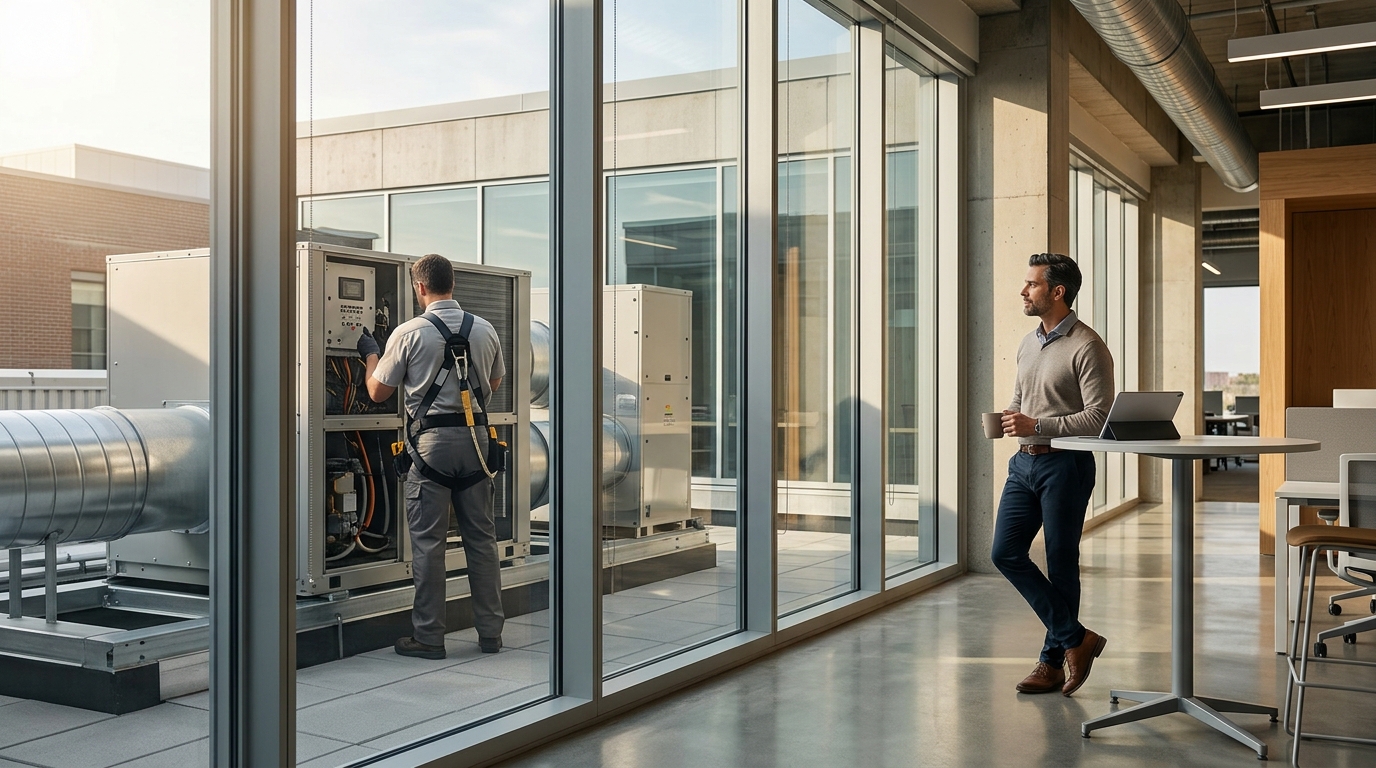
Commercial facilities typically consume nearly forty percent of total energy output across modern business operations. Facility managers must prioritize systematic climate control strategies to reduce operational overhead and maintain consistent indoor environmental standards. This guide outlines the exact procedures required to optimize commercial heating and cooling systems while maximizing equipment longevity and tenant comfort. (About Us Apex Clean)
Implement Advanced Zoning Strategies
Commercial buildings require precise thermal distribution to eliminate dead zones and reduce energy waste. Zoning strategies divide large floor plans into independent climate control sectors. Each sector operates through dedicated dampers and thermostatic sensors. This approach prevents overheating unused conference rooms while maintaining optimal temperatures in high-traffic workspaces. Facility managers should evaluate existing ductwork architecture before deploying new zoning hardware. Proper airflow balancing directly correlates to reduced utility expenditures and extended compressor lifespans. (AC Repair Services UT)
Zoning Implementation Steps
Begin by mapping existing thermal loads across all operational floors. Install motorized dampers within main supply trunks to regulate airflow distribution. Program independent thermostats to communicate with a central building management interface. Test each sector for temperature variance and adjust damper positions accordingly. Regular audits ensure consistent performance across all operational hours. (AC Maintenance Services UT)
Upgrade to High-Efficiency Equipment
Modern commercial HVAC systems utilize variable refrigerant flow technology to match real-time thermal demands. Variable speed compressors adjust output based on actual building load rather than cycling on and off. This continuous modulation reduces mechanical stress and lowers peak power consumption. Upgrading legacy boilers and chillers to high-efficiency models often yields rapid return on investment. Facility operators should consult certified engineering teams to evaluate retrofit feasibility. Heating services and cooling retrofits require precise load calculations to prevent oversizing or undersizing risks. (Air Purification Services UT)
Equipment Selection Criteria
Review seasonal energy efficiency ratios to determine baseline performance metrics. Compare compressor motor ratings against current operational demands. Verify refrigerant compatibility with existing piping infrastructure. Schedule professional load assessments to confirm capacity requirements. Document all equipment specifications for future warranty and compliance tracking.
Establish Predictive Maintenance Programs
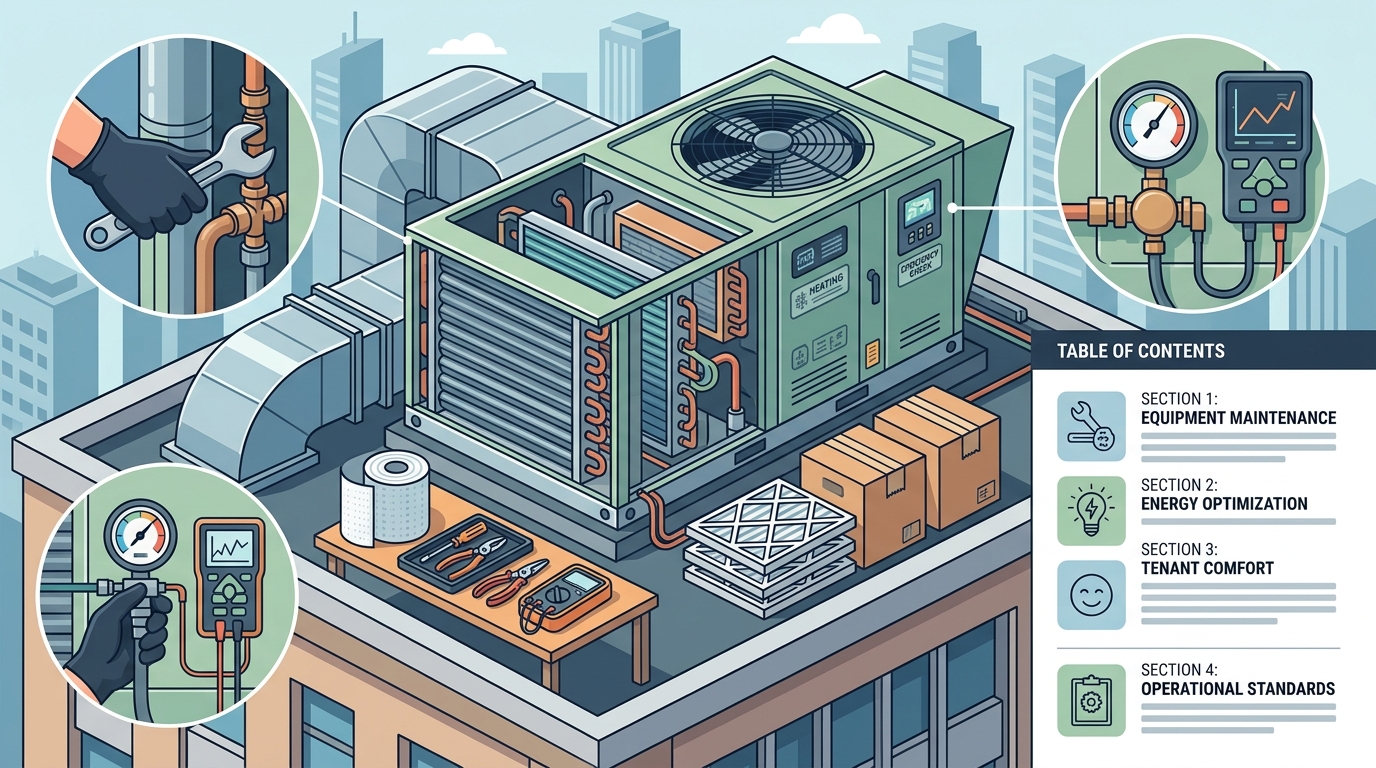
Reactive repair strategies generate excessive downtime and unpredictable budget fluctuations. Predictive maintenance programs utilize continuous monitoring sensors to track compressor vibration, refrigerant pressure, and filter differential pressure. These sensors transmit real-time data to facility management dashboards. Technicians can replace failing components before catastrophic system failure occurs. Scheduled inspections should occur quarterly to maintain peak operational efficiency. Comfort Club membership programs provide structured maintenance schedules that protect commercial assets and extend equipment lifespan.
Maintenance Checklist Essentials
Inspect all electrical connections for corrosion and loose terminal bindings. Clean condenser coils to maintain optimal heat exchange efficiency. Replace air filters according to manufacturer airflow specifications. Calibrate all thermostats and pressure transducers to factory tolerances. Document every service visit to establish a reliable maintenance history.
Integrate Indoor Air Quality Protocols
Indoor air quality is the systematic process of filtering, humidifying, and circulating air to maintain safe breathing environments. Commercial facilities must address particulate matter, volatile organic compounds, and biological contaminants to protect employee health. Advanced filtration systems capture microscopic particles that standard HVAC filters miss. Ultraviolet germicidal irradiation units neutralize airborne pathogens within supply ducts. Regular air quality testing ensures compliance with occupational safety guidelines. Indoor air quality services provide comprehensive testing and remediation strategies tailored to commercial environments.
IAQ Implementation Steps
Install high-efficiency particulate air filters within main supply trunks. Deploy ultraviolet sterilization lamps near cooling coils to prevent microbial growth. Monitor carbon dioxide levels to determine ventilation rate adequacy. Schedule professional air sampling to identify hidden contaminant sources. Update building manuals to reflect new filtration and sterilization protocols.
Deploy Smart Building Controls
Building automation systems integrate heating, cooling, and ventilation components into a unified control network. These networks utilize machine learning algorithms to predict occupancy patterns and adjust thermal output accordingly. Smart thermostats learn building thermal mass characteristics over time. Automated scheduling prevents unnecessary energy consumption during off-hours. Facility managers gain remote access to system diagnostics through secure cloud platforms. About us documentation highlights our commitment to integrating cutting-edge automation into every commercial project.
Controls Configuration Requirements
Map all HVAC components to a centralized building management interface. Program occupancy sensors to trigger heating and cooling only when spaces are active. Configure alarm thresholds to notify facility managers of system deviations. Test failover protocols to ensure backup systems activate during primary controller failure. Train staff on dashboard navigation and emergency override procedures.
Navigate Regulatory Compliance Standards
Commercial HVAC systems must adhere to strict environmental and safety regulations. Regulatory agencies mandate minimum efficiency ratings for all newly installed equipment. Facility operators must maintain detailed energy consumption records for annual reporting. Compliance audits verify proper refrigerant handling and disposal procedures. Staying current with evolving codes prevents costly penalties and operational shutdowns. AC installation projects always incorporate the latest regulatory compliance standards to ensure long-term operational legality.
Compliance Checklist Essentials
Verify equipment meets current seasonal energy efficiency ratio requirements. Document all refrigerant transactions according to environmental agency guidelines. Submit annual energy consumption reports to local regulatory authorities. Schedule third-party compliance audits to identify potential regulatory gaps. Update facility manuals to reflect current regulatory requirements.
Commercial HVAC System Comparison
| System Type | Efficiency Rating | Best Use Case | Implementation Cost |
|---|---|---|---|
| Variable Refrigerant Flow | High | Multi-zone commercial offices | Moderate to High |
| Dedicated Outdoor Air System | Very High | Hospitals and laboratories | High |
| Geothermal Heat Pump | Extremely High | Large campus facilities | Very High |
| Standard Split System | Moderate | Small retail spaces | Low to Moderate |
Key Takeaways
- Commercial facilities typically consume nearly forty percent of total energy output across modern business operations.
- Variable refrigerant flow technology reduces mechanical stress by adjusting output based on actual building load.
- Predictive maintenance programs utilize continuous monitoring sensors to track compressor vibration and refrigerant pressure.
- Advanced filtration systems capture microscopic particles that standard HVAC filters miss.
- Building automation systems integrate heating, cooling, and ventilation components into a unified control network.
- Regulatory agencies mandate minimum efficiency ratings for all newly installed equipment.
- Facility managers should consult certified engineering teams to evaluate retrofit feasibility.
Frequently Asked Questions
How often should commercial HVAC systems undergo professional inspections?
Commercial HVAC systems require quarterly professional inspections to maintain peak operational efficiency. Regular maintenance prevents unexpected breakdowns and extends equipment lifespan. Technicians should document every service visit to establish a reliable maintenance history.
What is the average lifespan of a commercial HVAC system?
The average lifespan of a commercial HVAC system ranges from fifteen to twenty years with proper maintenance. Regular filter replacements and coil cleaning directly impact equipment longevity. Facility managers should budget for partial component replacements after the tenth year.
Can smart building controls reduce commercial energy consumption?
Smart building controls can reduce commercial energy consumption by up to thirty percent. These systems utilize machine learning algorithms to predict occupancy patterns and adjust thermal output accordingly. Automated scheduling prevents unnecessary energy consumption during off-hours.
How do I choose the right commercial HVAC contractor?
You should verify contractor licensing, insurance coverage, and industry certifications before signing agreements. Review past commercial project portfolios to assess technical capability. Request detailed proposals that outline equipment specifications and maintenance schedules.
What maintenance tasks can facility managers perform independently?
Facility managers can independently replace air filters and clean exterior condenser units. Regular visual inspections of control panels and warning lights help identify minor issues early. Complex refrigerant handling and electrical diagnostics require licensed technicians.
How does indoor air quality impact commercial productivity?
Indoor air quality directly impacts commercial productivity by reducing employee sick days and cognitive fatigue. Advanced filtration systems capture microscopic particles that standard HVAC filters miss. Regular air quality testing ensures compliance with occupational safety guidelines.
What financing options are available for commercial HVAC upgrades?
Commercial HVAC upgrades often qualify for specialized financing programs that spread costs over extended periods. Facility managers should explore tax incentives for energy-efficient equipment installations. Leasing options allow businesses to upgrade systems without large upfront capital expenditures.
Ready to Optimize Your Commercial Climate Control?
Efficient heating and cooling require strategic planning, modern equipment, and consistent maintenance. Contact your local Apex Clean Air office today to schedule a comprehensive commercial facility assessment. Our certified technicians will evaluate your current system, identify efficiency gaps, and design a customized climate control solution. Visit https://apexcleanair.com to request a free consultation and secure your facility comfort today.