
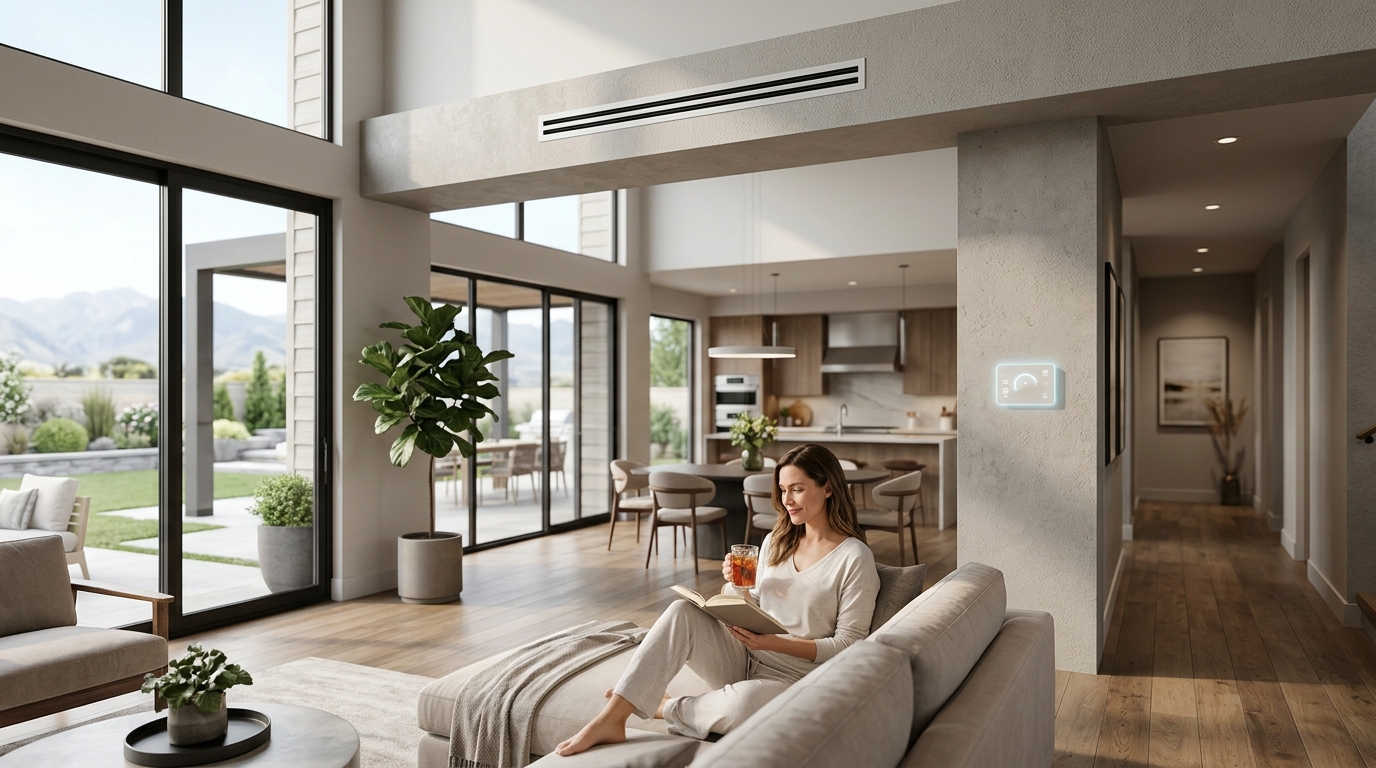
Large residential properties require specialized climate control strategies to maintain consistent comfort across expansive square footage. According to industry data, oversized or improperly zoned cooling systems waste nearly thirty percent of annual energy consumption in homes exceeding three thousand square feet. Homeowners must prioritize precision engineering and strategic airflow distribution to eliminate hot spots and reduce utility overhead. Modern cooling infrastructure now integrates advanced zoning protocols alongside high-efficiency compressors to deliver reliable performance. This guide examines the most effective cooling solutions for large residential properties, focusing on technical implementation, maintenance requirements, and long-term operational savings.
Understanding Zoning Requirements
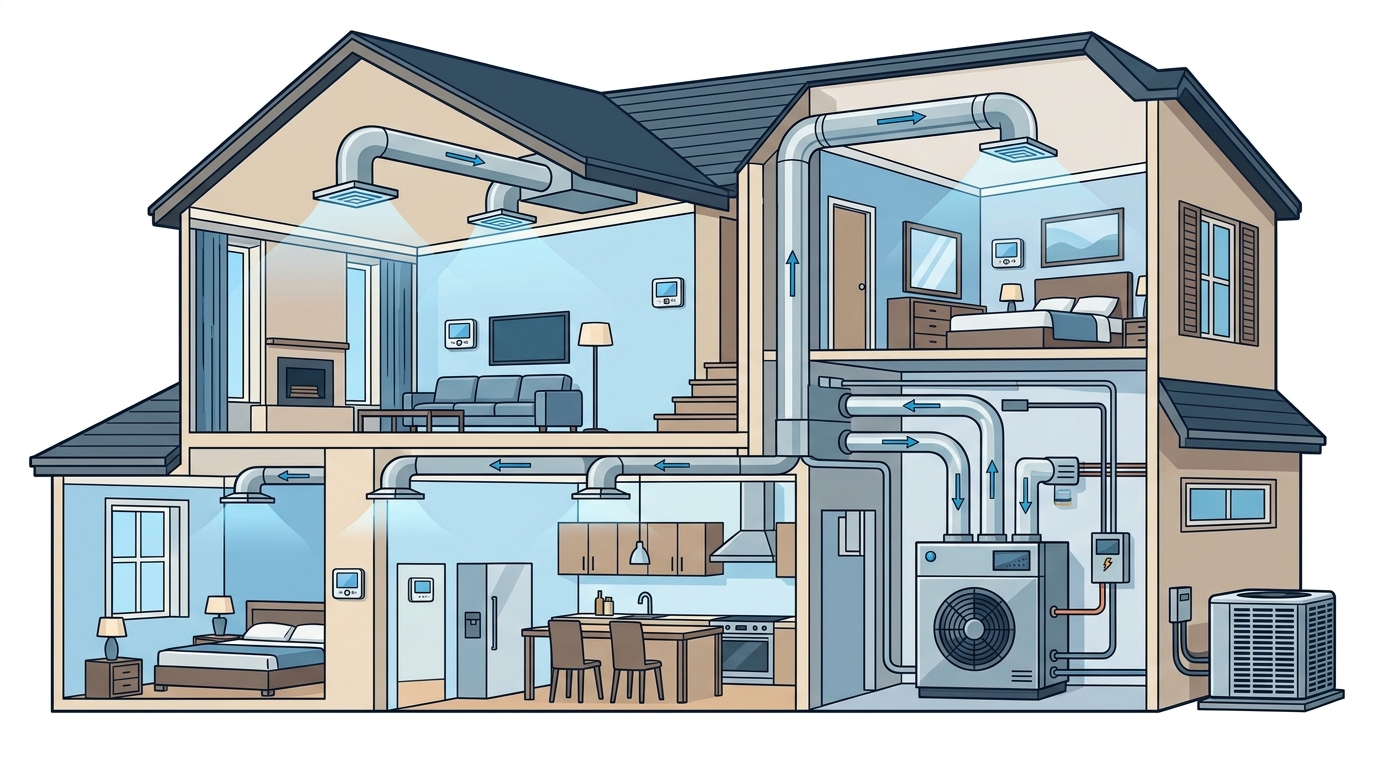
Large residential properties demand a fundamental shift from traditional single-thermostat setups. Standard cooling units struggle to balance temperature differentials across multiple floors and expansive wings. Multi-zone HVAC is a distributed climate control architecture that utilizes independent dampers and separate thermostats to regulate temperature across distinct residential sectors. Each zone operates independently, allowing homeowners to cool occupied areas while maintaining standby temperatures in unused rooms. This approach drastically reduces compressor runtime and prevents energy waste. Homeowners should consult professional technicians to map airflow patterns before selecting equipment. Proper zoning requires careful load calculations that account for square footage, ceiling height, and window exposure. Professional AC installation ensures that zoning controllers integrate seamlessly with existing duct networks. Without precise zoning, large homes experience severe temperature stratification and inconsistent comfort levels.
Multi-Zone HVAC Systems
Multi-zone systems represent the gold standard for expansive residential cooling. These setups deploy multiple indoor air handlers connected to a single outdoor condenser. Each air handler serves a specific floor or wing, delivering conditioned air exactly where it is needed. The system modulates compressor speed to match real-time demand, which eliminates the energy penalties associated with traditional on-off cycling. Regular AC maintenance keeps these complex systems operating at peak efficiency. Homeowners benefit from reduced utility bills, quieter operation, and extended equipment lifespan. The technology also supports independent scheduling, allowing families to program distinct cooling routines for each zone. Large properties with open floor plans often require specialized duct balancing to prevent air stagnation. Professional engineers can design custom airflow paths that eliminate dead zones and improve overall circulation. This level of customization transforms large residential properties into highly efficient, comfortable living environments.
Heat Pump Efficiency
Modern heat pump technology has revolutionized residential cooling for large properties. These systems extract thermal energy from outdoor air and transfer it indoors during summer months. Heat pump efficiency is the measurable ratio of thermal energy transferred to electrical energy consumed, typically expressed through seasonal performance factors. High-velocity heat pumps deliver conditioned air at faster rates, which reduces duct size requirements and installation costs. Air duct cleaning removes accumulated debris that restricts airflow and compromises system performance. Large residential properties benefit from variable-speed compressors that adjust output based on real-time temperature readings. This modulation prevents temperature overshoot and maintains consistent comfort levels throughout the day. Homeowners in moderate climates often pair heat pumps with supplemental electric resistance for extreme weather events. The technology also supports sustainable energy integration, allowing properties to leverage solar power for daytime cooling operations. This combination drastically reduces carbon footprints while maintaining premium indoor comfort.
Ductwork Optimization
Expansive residential properties frequently suffer from poorly designed or aging duct networks. Inadequate duct sizing creates pressure imbalances that force cooling units to work harder than necessary. Whole-home AC zoning is a structural airflow management strategy that divides expansive living spaces into independent thermal compartments for precise temperature control. Proper duct optimization involves sealing leaks, resizing branches, and installing high-quality insulation. Advanced air purification systems integrate directly with optimized ductwork to remove particulates and allergens. Large properties require specialized balancing valves to distribute airflow evenly across all registers. Technicians use specialized diagnostic tools to measure static pressure and identify restriction points. Correcting these issues improves system capacity and reduces energy consumption by up to twenty percent. Homeowners should schedule comprehensive duct assessments before upgrading to larger cooling units. Optimized ductwork ensures that every square foot receives consistent, conditioned air without excessive compressor strain.
Smart Thermostat Integration
Intelligent climate control systems have become essential for managing large residential cooling loads. These devices learn occupancy patterns and adjust cooling schedules automatically to maximize efficiency. Smart thermostats integrate with multi-zone controllers to provide granular temperature management across expansive properties. Homeowners can monitor energy usage in real time and receive alerts when system performance deviates from expected parameters. Comfort Club membership programs often include smart thermostat installation and priority service scheduling. Large properties benefit from geofencing technology that detects when residents leave or return home. The system adjusts cooling output accordingly, preventing unnecessary energy expenditure. Remote access capabilities allow homeowners to modify settings from anywhere using secure mobile applications. These digital tools reduce manual intervention and streamline long-term climate management. Smart integration also supports predictive maintenance alerts, which prevent costly breakdowns during peak summer months.
Comparative System Analysis
Selecting the optimal cooling solution requires careful evaluation of property-specific variables. Homeowners must weigh upfront installation costs against long-term operational savings. The following table outlines the primary cooling options available for large residential properties.
| Cooling Solution | Best Use Case | Estimated Lifespan | Primary Advantage |
|---|---|---|---|
| Multi-Zone HVAC | Multi-story homes with distinct temperature needs | 20 to 25 years | Independent zone control and reduced energy waste |
| High-Efficiency Heat Pumps | Moderate climates with sustainable energy goals | 15 to 20 years | Year-round heating and cooling with low emissions |
| Central Air with Zoning | Traditional homes with existing duct networks | 15 to 20 years | Seamless integration with existing infrastructure |
| Ductless Mini-Splits | Expanded wings or converted garages | 20 years | Flexible installation without major duct modifications |
Each system offers distinct advantages depending on property layout and budget constraints. Professional load calculations determine the exact tonnage required to cool expansive spaces without short cycling. Homeowners should prioritize systems that align with their long-term occupancy plans. Expert team consultation ensures that selected equipment matches precise architectural requirements. Large residential properties demand robust infrastructure that scales with future expansion needs.
Key Takeaways
- Multi-zone HVAC systems reduce energy waste by up to thirty percent in homes exceeding three thousand square feet.
- High-efficiency heat pumps deliver seasonal performance factors exceeding four point zero in moderate climates.
- Proper duct optimization eliminates pressure imbalances and improves overall system capacity by twenty percent.
- Smart thermostat integration reduces manual intervention and prevents unnecessary compressor runtime.
- Large residential properties require professional load calculations to prevent short cycling and equipment strain.
- Regular maintenance schedules extend equipment lifespan and preserve manufacturer warranty coverage.
- Advanced air purification systems integrate seamlessly with optimized duct networks to improve indoor air quality.
Frequently Asked Questions
How many zones does a large residential property typically require?
Most expansive homes require between four and six independent cooling zones to maintain consistent comfort. Each zone corresponds to a specific floor, wing, or high-traffic area. Professional engineers calculate zone requirements based on square footage and occupancy patterns.
Can existing ductwork support multi-zone cooling systems?
Existing ductwork often requires resizing, sealing, or complete replacement to support multi-zone configurations. Technicians perform detailed pressure tests to identify restriction points and airflow bottlenecks. Upgrading duct networks ensures optimal performance and prevents energy waste.
What is the average lifespan of a multi-zone HVAC system?
Well-maintained multi-zone systems typically operate for twenty to twenty-five years. Regular filter replacements, annual inspections, and prompt repairs extend equipment longevity. Homeowners should schedule professional maintenance to preserve warranty coverage.
Do heat pumps perform effectively in extreme summer temperatures?
Modern heat pumps maintain high efficiency even during peak summer heat. Variable-speed compressors adjust output to match real-time temperature demands. Supplemental electric resistance units provide additional cooling during extreme weather events.
How much does professional cooling system installation cost?
Installation costs vary based on property size, ductwork condition, and equipment selection. Professional load calculations determine exact tonnage requirements to prevent oversizing. Homeowners should request detailed quotes that include zoning controllers and smart integration.
Is smart thermostat integration compatible with older cooling units?
Smart thermostats integrate with most modern cooling systems through standard wiring protocols. Older units may require relay adapters or system upgrades to support digital scheduling. Professional technicians verify compatibility before installing intelligent climate controls.
What maintenance schedule prevents large residential cooling failures?
Annual professional inspections, quarterly filter replacements, and biannual coil cleanings prevent system failures. Technicians check refrigerant levels, electrical connections, and airflow distribution. Consistent maintenance preserves efficiency and extends equipment lifespan.
Schedule Your Cooling Assessment
Large residential properties demand precision engineering and strategic airflow management to maintain consistent comfort. Homeowners should partner with certified technicians who understand the complexities of expansive cooling systems. Contact your local Apex Clean Air office to schedule a comprehensive cooling assessment. Our certified engineers will perform detailed load calculations, evaluate existing ductwork, and recommend the optimal cooling solution for your property. Book your consultation today and experience reliable, efficient climate control tailored to your home.