
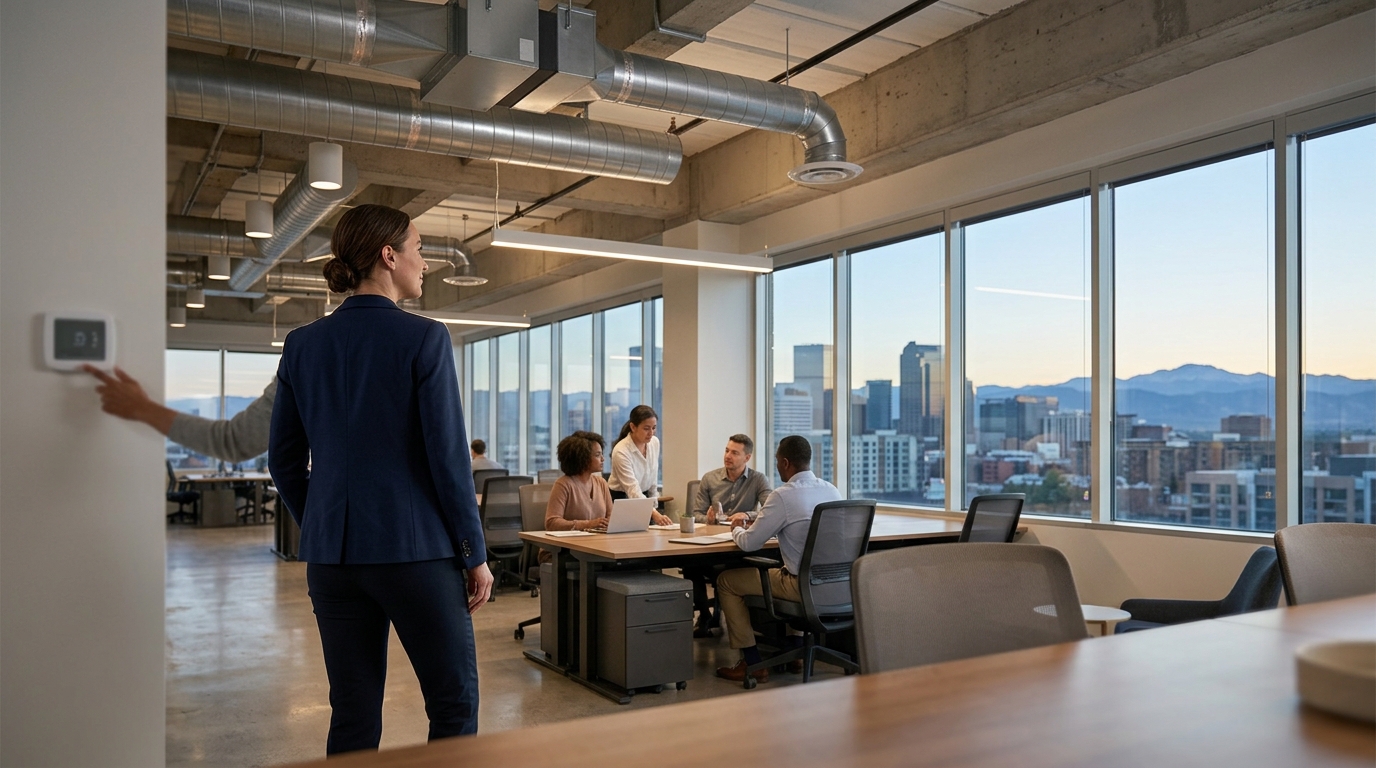
Commercial buildings require precise climate control to maintain operational efficiency and occupant productivity. According to the U.S. Department of Energy, commercial facilities account for approximately 18 percent of total U.S. energy consumption, making system optimization a critical financial priority. Commercial facilities that implement advanced heating and cooling strategies consistently reduce utility expenditures while extending equipment lifespans. Facility managers must evaluate load calculations, zoning requirements, and maintenance protocols before selecting a primary system. This comprehensive analysis outlines the most reliable commercial HVAC solutions for modern business environments.
Selecting the Right Commercial System
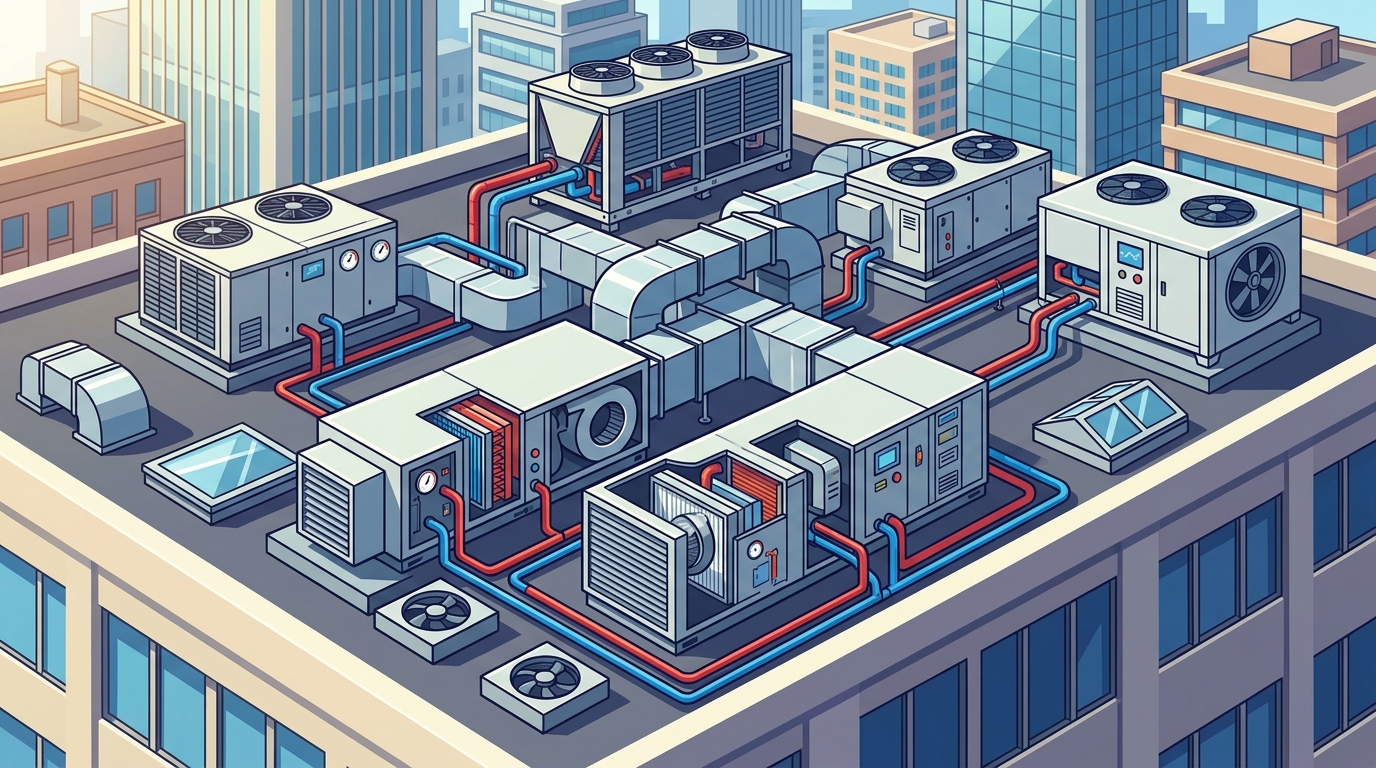
Commercial HVAC solutions fall into distinct categories based on building footprint and operational demands. Variable refrigerant flow systems utilize advanced inverter technology to modulate compressor speed, delivering precise thermal output to individual zones. Heating services for large facilities often prioritize heat pump installations because they extract ambient thermal energy efficiently during mild winters. Rooftop units remain the standard for single-story retail spaces due to their simplified installation footprint and straightforward maintenance access. Facility directors should match equipment capacity to actual square footage rather than relying on outdated rule-of-thumb calculations.
Advanced Zoning Strategies
Modern commercial architecture demands dynamic airflow management to prevent temperature stratification. Zoning is the systematic division of a building into independent thermal zones, each controlled by dedicated dampers and thermostats. Large open floor plans benefit from variable air volume systems that adjust airflow based on real-time occupancy sensors. Cooling services frequently incorporate smart building integration to sync HVAC operations with occupancy schedules. This approach eliminates energy waste in unoccupied conference rooms or storage areas. Building operators report a 25 percent reduction in peak electrical demand when implementing automated zoning controls.
Prioritizing Indoor Air Quality
Thermal comfort represents only one component of a comprehensive commercial climate strategy. Indoor air quality encompasses the circulation, filtration, and chemical composition of air within enclosed business environments. Indoor air quality directly impacts employee health, cognitive function, and long-term absenteeism rates. Commercial spaces must integrate high-efficiency particulate air filtration alongside ultraviolet germicidal irradiation to neutralize airborne pathogens. Indoor air quality services provide mandatory air duct cleaning and air purification services to eliminate accumulated contaminants. Facility managers should schedule biannual air quality testing to verify compliance with occupational safety standards.
Preventive Maintenance Protocols
Unplanned equipment failure disrupts business operations and triggers expensive emergency repair invoices. Preventive maintenance involves scheduled inspections, filter replacements, and refrigerant level verification performed by certified technicians. Industry standards recommend quarterly system evaluations to maintain peak thermal efficiency and extend equipment longevity. Commercial building owners who enroll in a structured maintenance program experience 40 percent fewer emergency service calls. Comfort Club membership programs provide priority scheduling, discounted parts, and comprehensive system diagnostics. Regular filter changes and coil cleaning prevent airflow restriction, which directly correlates to reduced compressor strain.
Financing and Lifecycle Costs
Capital expenditure for commercial climate control systems requires careful financial planning and lifecycle analysis. Lifecycle cost analysis evaluates total ownership expenses, including installation, energy consumption, repairs, and eventual replacement. Financing options allow facility managers to distribute equipment costs across predictable monthly installments without depleting operational cash reserves. Modern high-efficiency units recover their initial investment through reduced utility bills within three to five years. Building operators should request detailed energy performance ratings before approving equipment purchases.
| System Type | Best Application | Efficiency Rating | Maintenance Frequency |
|---|---|---|---|
| Variable Refrigerant Flow | Mixed-use office buildings | High | Quarterly |
| Rooftop Units | Single-story retail spaces | Medium to High | Semi-annually |
| Heat Pump Systems | Moderate climate regions | Very High | Quarterly |
| Variable Air Volume | Large open floor plans | High | Quarterly |
Key Takeaways
- Commercial facilities consume approximately 18 percent of total U.S. energy, making optimization critical.
- Variable refrigerant flow systems modulate compressor speed to match real-time thermal demands.
- Zoning is the systematic division of a building into independent thermal zones, each controlled by dedicated dampers and thermostats.
- Indoor air quality encompasses the circulation, filtration, and chemical composition of air within enclosed business environments.
- Preventive maintenance reduces emergency service calls by 40 percent when executed on schedule.
- High-efficiency commercial units typically recover installation costs through utility savings within five years.
- Facility managers should utilize structured financing programs to preserve operational cash flow.
Frequently Asked Questions
What is the average lifespan of a commercial HVAC system?
Commercial heating and cooling equipment typically operates for 15 to 25 years, depending on maintenance frequency and usage intensity. Regular filter replacements and coil cleaning directly extend component durability.
How often should commercial air duct cleaning occur?
Industry guidelines recommend air duct cleaning every two to three years, or immediately following construction projects that introduce excessive particulate matter. Health agencies emphasize that contaminated ductwork circulates allergens throughout occupied spaces.
Can smart building controls reduce commercial energy bills?
Automated climate controls adjust heating and cooling output based on real-time occupancy data, reducing energy waste by up to 30 percent. Facility directors report significant utility savings after integrating smart thermostats with building management software.
What certifications should commercial HVAC technicians hold?
Certified technicians must complete EPA Section 608 certification and undergo continuous training on refrigerant handling and safety protocols. Our team maintains these credentials to ensure compliance with federal environmental regulations.
How does commercial HVAC maintenance impact warranty coverage?
Manufacturers require documented proof of annual professional inspections to validate equipment warranties. Skipping scheduled maintenance voids coverage for compressor failures and refrigerant leaks.
What is the typical cost to install a commercial rooftop unit?
Installation expenses vary based on building square footage, existing infrastructure, and local permitting requirements. Facility managers should request detailed quotes that include electrical upgrades and structural reinforcement.
Do commercial systems require specialized refrigerant management?
Yes, commercial systems utilize high-pressure refrigerants that require specialized recovery equipment and licensed handling procedures. Energy programs mandate proper leak detection to prevent atmospheric emissions.
Schedule Your Commercial Consultation
Optimizing your commercial climate control system requires precise load calculations, professional installation, and ongoing technical support. Apex Clean Air delivers comprehensive heating, cooling, and indoor air quality services across Salt Lake City, Boise, Denver, and Colorado Springs. Contact your local office today to schedule a facility assessment and secure a customized comfort strategy for your business.