
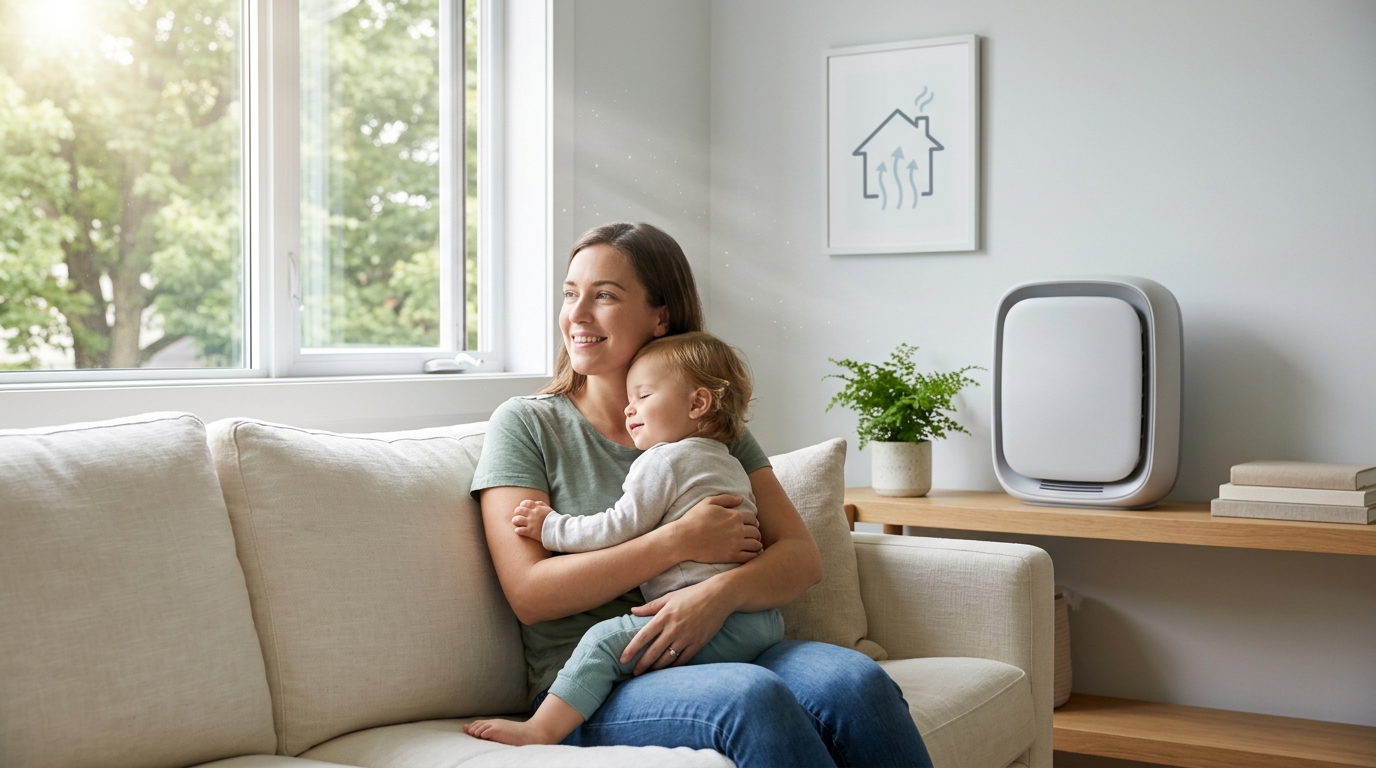
The air inside your home may look clean, but it could be working against your health. According to the U.S. Environmental Protection Agency (EPA), Americans spend roughly 90% of their time indoors, where pollutant concentrations can be two to five times higher than outdoor levels. Indoor air quality (IAQ) is the measure of how clean and healthy the air is within a building, especially as it relates to the comfort and well-being of occupants. From dust mites and pet dander to volatile organic compounds (VOCs) and mold spores, dozens of contaminants can circulate through your home every day. This guide walks you through proven strategies to breathe easier, protect your family, and get the most from your HVAC system.
Why Indoor Air Quality Matters
Poor indoor air quality is not just an inconvenience. Prolonged exposure to indoor pollutants can cause eye, nose, and throat irritation, trigger asthma attacks, and even contribute to long-term conditions like cardiovascular disease and lung cancer. Children, the elderly, and anyone with pre-existing respiratory conditions face the greatest risk.
Energy-efficient construction makes modern homes tighter than ever, which keeps conditioned air in but also traps pollutants with nowhere to go. That means your HVAC system plays a central role in determining whether the air you breathe is clean or contaminated.
Common Indoor Air Pollutants
Understanding what is in your air is the first step toward fixing it. Here are the most common residential pollutants:
| Pollutant | Common Sources | Health Impact |
|---|---|---|
| Dust and dust mites | Carpets, bedding, ductwork | Allergies, asthma triggers |
| Pet dander | Cats, dogs, other animals | Respiratory irritation |
| Mold spores | Damp HVAC components, bathrooms | Allergic reactions, infections |
| VOCs | Paints, cleaners, furnishings | Headaches, organ damage |
| Carbon monoxide | Fuel-burning appliances | Poisoning, potentially fatal |
| Pollen | Outdoor air intake, open windows | Seasonal allergy symptoms |
| Smoke / particulate matter | Cooking, candles, wildfires | Respiratory disease |
A volatile organic compound (VOC) is a chemical that easily becomes a gas at room temperature, often released by household products like paints, adhesives, and cleaning supplies. Many homeowners are unaware that these chemicals accumulate faster in tightly sealed homes.
Start with Source Control
The EPA recommends source control as the most effective and cost-efficient strategy for improving IAQ. Source control is the practice of eliminating or reducing individual pollution sources before they can contaminate your air.
Practical Source Control Steps
- Choose low-VOC paints, adhesives, and cleaning products.
- Avoid smoking or using e-cigarettes indoors.
- Inspect fuel-burning appliances annually to prevent carbon monoxide leaks.
- Store chemicals in sealed containers and ventilate when using them.
- Test your home for radon, the leading cause of lung cancer among nonsmokers.
If you suspect your home has hidden pollutant issues, professional indoor air quality testing can identify elevated levels of dust, VOCs, carbon monoxide, and humidity imbalances using measured data rather than guesswork.
Improve Ventilation
Ventilation is the process of exchanging indoor air with fresh outdoor air to dilute and remove pollutants. Most residential HVAC systems do not mechanically bring fresh air into the home, so natural ventilation through windows and doors remains important when outdoor air quality allows.
Tips for Better Airflow
- Open windows on opposite sides of your home to create cross-ventilation.
- Use kitchen and bathroom exhaust fans that vent directly outdoors.
- Consider a heat recovery ventilator (HRV) for energy-efficient fresh air exchange during extreme weather.
An HVAC diagnostic appointment can evaluate whether your system is circulating air evenly and identify ductwork leaks that undermine ventilation.
Upgrade Filtration and Air Purification
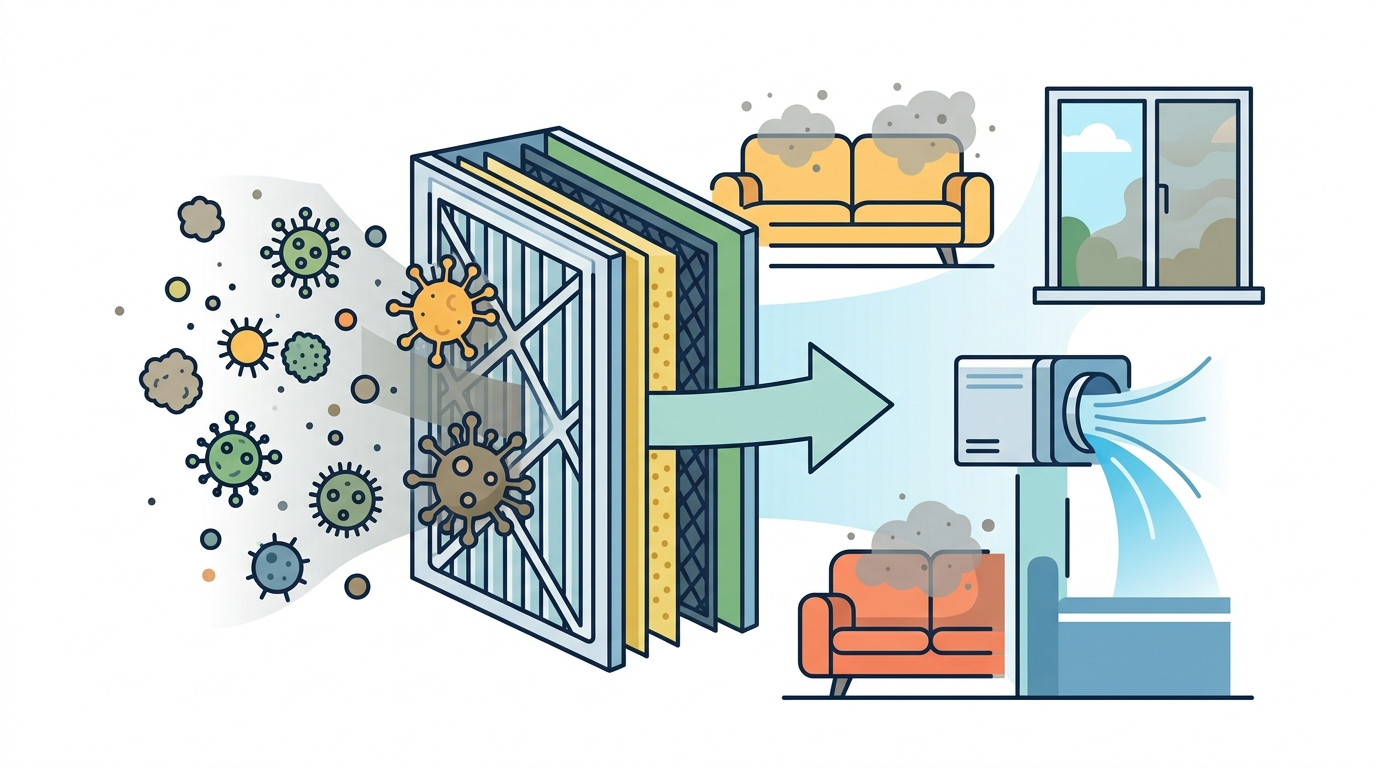
Standard HVAC filters rated MERV 8 or lower are designed primarily to protect equipment, not your lungs. Upgrading to high-efficiency filters rated MERV 13 or above captures significantly more fine particulate matter, pollen, and mold spores.
Whole-Home vs. Portable Air Purifiers
A portable air purifier cleans air in a single room. A whole-home air purification system integrates directly with your HVAC equipment to treat every cubic foot of air in your house. For families with pets, young children, or allergy sufferers, whole-home systems provide the most comprehensive protection.
UV Light and Advanced Technologies
UV germicidal lamps installed inside your air handler kill bacteria, viruses, and mold spores at the source. Products like the REME HALO use hydrogen peroxide ionization to proactively neutralize contaminants throughout the home. Layering UV technology with high-efficiency filtration creates multi-stage protection against the full spectrum of indoor pollutants.
Schedule Professional Air Duct Cleaning
Your air ducts distribute heated and cooled air throughout every room. Over time, they collect dust, pet dander, pollen, and even mold that recirculates each time the system runs. Professional air duct cleaning removes this buildup, improving airflow, reducing allergens, and helping your HVAC system run more efficiently.
Most homes benefit from duct cleaning every 3 to 5 years. Homes with pets, allergy sufferers, or recent construction may need service more frequently. Signs that your ducts need attention include visible dust clouds from vents, musty odors when the system runs, and unexplained allergy flare-ups indoors.
Manage Humidity Levels
The EPA recommends keeping indoor humidity between 30% and 50%. Too much moisture encourages mold growth and dust mite populations, while too little causes dry skin, irritated sinuses, and increased susceptibility to respiratory infections.
A properly sized HVAC system is critical for humidity balance. An oversized unit cools air too quickly without running long enough to dehumidify, while an undersized system runs continuously and dries out the air. The indoor air quality specialists at Apex Clean Air can assess whether your system is maintaining optimal humidity and recommend humidifiers or dehumidifiers as needed.
Key Takeaways
- Indoor air can be 2 to 5 times more polluted than outdoor air, according to the EPA.
- Source control is the most effective and affordable first step for better IAQ.
- Proper ventilation dilutes indoor pollutants but requires attention to outdoor air quality.
- Upgrading to MERV 13+ filters captures fine particles that standard filters miss.
- Whole-home air purification systems treat every room, unlike portable units.
- Professional duct cleaning every 3 to 5 years removes accumulated contaminants from your HVAC system.
- Maintaining 30% to 50% indoor humidity prevents mold growth and respiratory discomfort.
Frequently Asked Questions
How often should I change my HVAC air filter?
Most standard filters should be checked monthly and replaced every 1 to 3 months. Homes with pets or allergy sufferers may need more frequent changes. A clogged filter restricts airflow and allows allergens to bypass the filter entirely.
Can air duct cleaning help with allergies?
Yes. Removing dust, dander, and mold spores from your ductwork can significantly reduce triggers for asthma and allergy sufferers. Most experts recommend cleaning every 3 to 5 years or more often if symptoms persist.
What is the best indoor humidity level?
The EPA recommends keeping indoor humidity between 30% and 50%. You can monitor levels with an inexpensive hygrometer from any hardware store.
Are whole-home air purifiers worth it?
For most families, yes. Whole-home systems clean every room simultaneously by integrating with your existing HVAC system. They are especially valuable for households with pets, young children, or anyone with respiratory sensitivities.
How do I know if my indoor air quality is poor?
Common signs include persistent dust buildup, musty odors, unexplained allergy symptoms that improve when you leave the house, and visible mold near vents or in bathrooms. Professional indoor air quality testing provides measured data on specific pollutant levels.
Does a new AC system improve air quality?
A properly installed and correctly sized air conditioning system improves IAQ through better filtration, humidity control, and consistent airflow. Older systems may struggle to maintain these functions effectively.
What MERV rating should I use for my home?
MERV 13 is generally the sweet spot for residential use, capturing fine particles without overly restricting airflow. Always confirm compatibility with your specific HVAC system before upgrading.
Is indoor air quality worse in Utah?
Utah homes face unique IAQ challenges, including pollen-heavy springs, dry winters that lower humidity, and occasional wildfire smoke events. These regional factors make proactive air quality management especially important for Utah homeowners.
Take the Next Step Toward Cleaner Air
Improving your indoor air quality does not have to be overwhelming. Start with a professional assessment to understand exactly what is in your air, then build a plan around the strategies that matter most for your home. Apex Clean Air provides comprehensive indoor air quality services across Utah, Colorado, and Idaho, backed by over 4,000 reviews and a 4.9-star average rating. Call Apex Clean Air today or request a free estimate online to start breathing healthier air at home.