
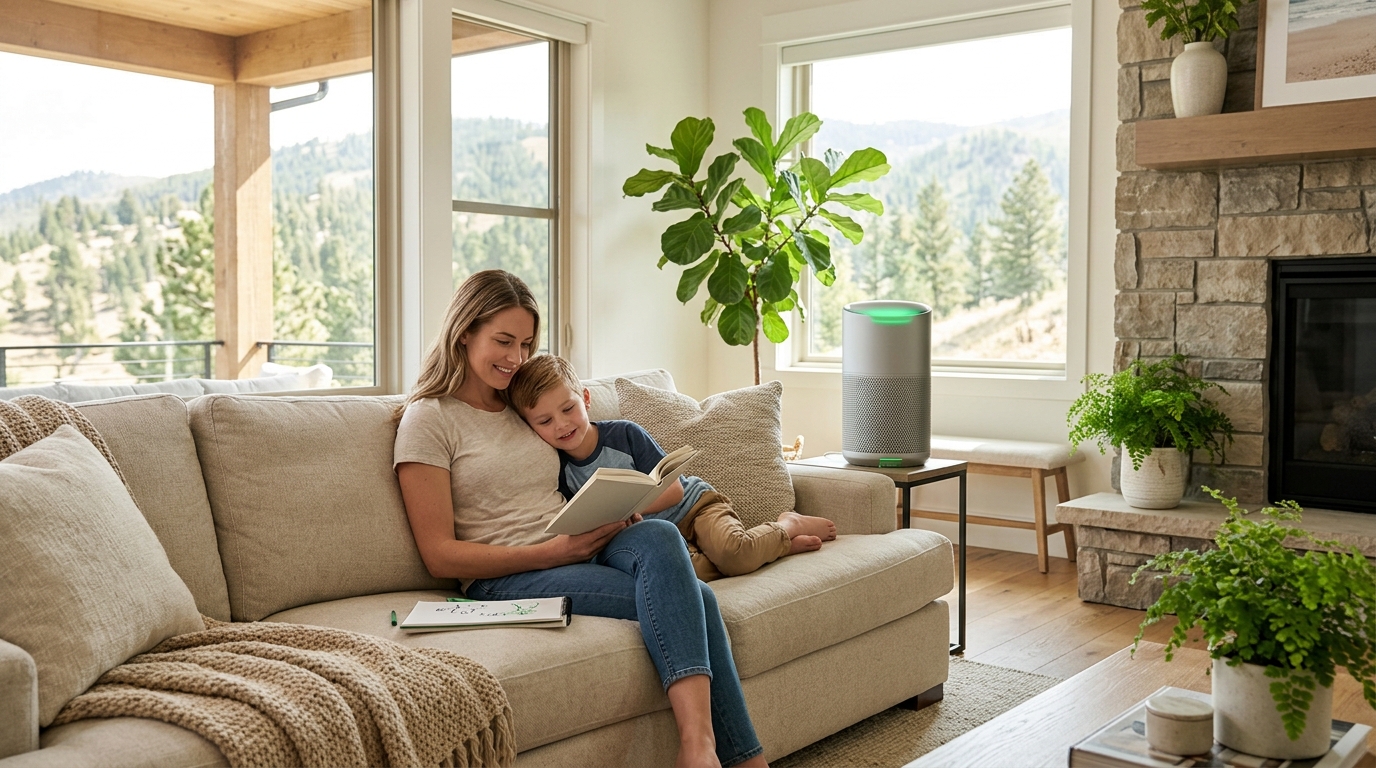
The air inside your home may look clean, but it could be silently affecting your family's health. According to the U.S. Environmental Protection Agency (EPA), indoor air can be two to five times more polluted than outdoor air. With most Americans spending roughly 90% of their time indoors, taking steps to improve your home's air quality is not a luxury but a necessity. In this guide, we walk you through proven strategies for cleaner, healthier residential air, from simple filter changes to professional solutions trusted by thousands of homeowners across Utah, Colorado, and Idaho.
Understand What Indoor Air Quality Really Means
Indoor air quality (IAQ) is the condition of the air within and around buildings, especially as it relates to the health and comfort of occupants. Poor IAQ can trigger allergies, aggravate asthma, and even contribute to long-term respiratory and cardiovascular problems.
Because modern homes are built with tight building envelopes for energy efficiency, pollutants often have nowhere to escape. That means the very features keeping your utility bills low may also be trapping dust, chemicals, and biological contaminants inside your living spaces.
Identify Common Indoor Air Pollutants
Before you can fix a problem, you need to know what you are dealing with. Common residential pollutants include dust mites, pet dander, mold spores, pollen, volatile organic compounds (VOCs), and combustion byproducts like carbon monoxide. Many of these are invisible and odorless, which is why professional indoor air quality testing can be so valuable.
| Pollutant | Common Sources | Health Impact |
|---|---|---|
| Dust & Dust Mites | Carpets, bedding, ductwork | Allergy symptoms, asthma flare-ups |
| Pet Dander | Cats, dogs, other animals | Respiratory irritation, allergies |
| Mold Spores | Damp HVAC components, bathrooms | Allergic reactions, lung irritation |
| VOCs | Paints, cleaning products, furniture | Headaches, fatigue, long-term organ damage |
| Carbon Monoxide | Gas stoves, furnaces, fireplaces | Dizziness, nausea, potentially fatal |
| Pollen | Enters through doors, windows, HVAC intake | Seasonal allergy symptoms |
Control Pollution at the Source
Source control is the single most effective way to improve indoor air quality, according to the EPA's IAQ guidance. This means eliminating or reducing the things that release pollutants in the first place.
Practical Source Control Steps
- Use exhaust fans when cooking, especially if you have a gas stove.
- Choose low-VOC paints, adhesives, and cleaning products.
- Fix water leaks promptly to prevent mold growth.
- Keep humidity between 30% and 50% to discourage dust mites and mold.
Addressing pollution at its origin reduces the burden on your HVAC system and keeps contaminants from circulating in the first place.
Improve Ventilation Throughout Your Home
Ventilation is the process of exchanging stale indoor air with fresh outdoor air. Inadequate ventilation allows pollutant concentrations to build up, while proper airflow dilutes and removes them. Open windows when weather permits, run bathroom and kitchen exhaust fans, and consider an energy recovery ventilator (ERV) for continuous fresh air exchange without wasting energy.
For homeowners in regions with extreme seasonal swings, like Utah, Colorado, and Idaho, mechanical ventilation is often the most practical solution. An Apex Clean Air indoor air quality specialist can evaluate your home's ventilation needs and recommend the right approach.
Upgrade Your Filtration and Air Purification
Standard HVAC filters rated MERV 8 or lower are designed to protect your equipment, not your lungs. Upgrading to a MERV 13 or higher filter captures significantly more fine particles, including pollen, mold spores, and some bacteria.
Whole-Home vs. Portable Air Purifiers
A portable air purifier is a device that cleans the air in a single room using its own internal fan and filter. It works well for bedrooms or offices, but it cannot address your entire house. A whole-home air purification system integrates directly with your HVAC equipment and treats every cubic foot of air as it circulates.
UV Light Systems
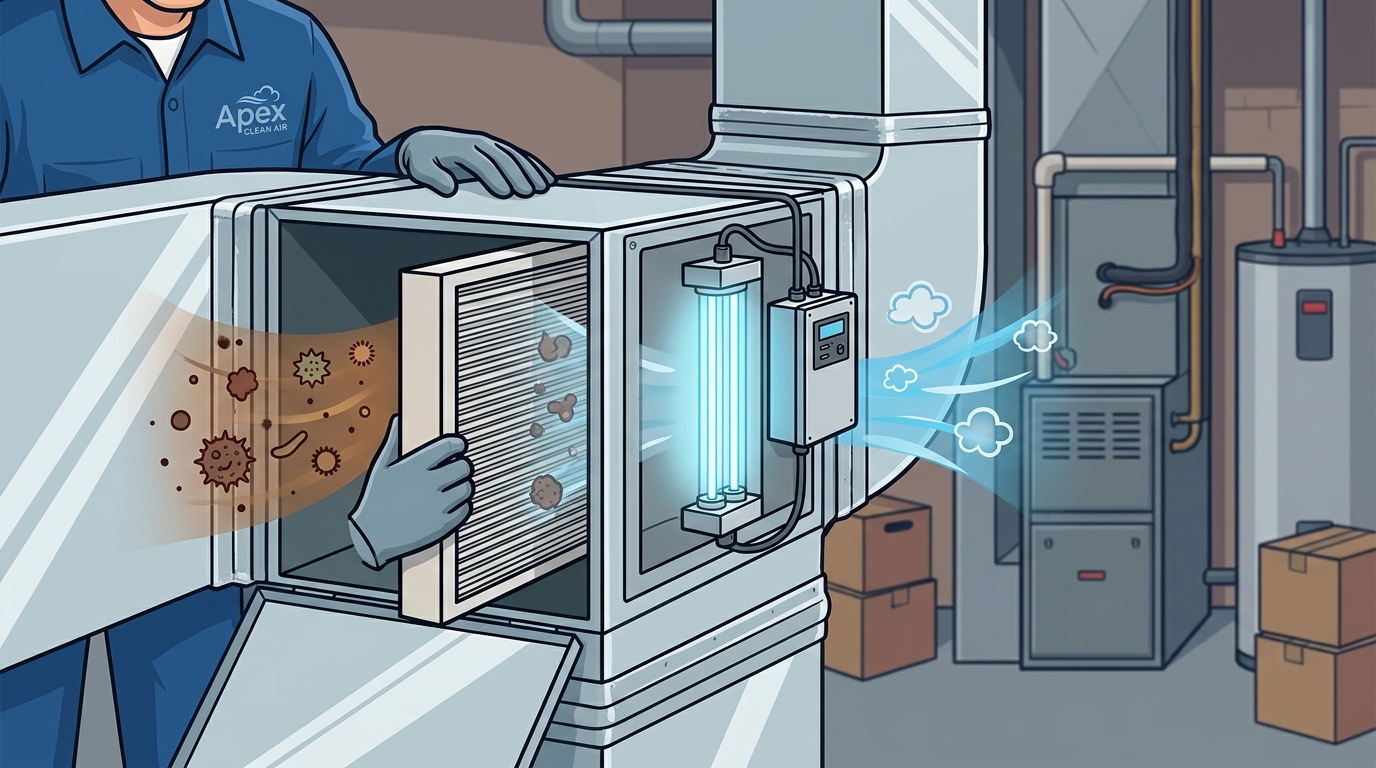
UV germicidal lamps installed inside your air handler or ductwork kill bacteria, viruses, and mold spores at the source. When combined with high-efficiency filtration, UV systems provide layered, multi-stage protection against a broad spectrum of contaminants.
Schedule Professional Air Duct Cleaning
Your air ducts collect dust, pet dander, pollen, and even mold over time. Every time your HVAC system runs, those contaminants recirculate through your home. Professional air duct cleaning removes years of buildup, improving airflow and reducing allergens.
Most homes benefit from duct cleaning every three to five years. Homes with pets, allergy sufferers, or recent construction may need service more frequently. Apex Clean Air has earned over 4,000 reviews with a 4.9-star average rating for duct cleaning services across Salt Lake City, Denver, and Boise.
Keep Up with HVAC Maintenance
A well-maintained HVAC system is the backbone of healthy indoor air. Regular maintenance includes filter replacement, coil cleaning, humidity assessment, and ductwork inspection. Dirty coils and clogged filters force your system to work harder while pushing more contaminants into your living spaces.
Seasonal tune-ups also catch small problems before they become expensive breakdowns. Apex Clean Air's certified technicians offer comprehensive HVAC diagnostics that evaluate airflow, refrigerant charge, humidity levels, and energy efficiency in a single visit.
Key Takeaways
- Indoor air can be two to five times more polluted than outdoor air, making proactive IAQ management essential.
- Source control, such as fixing leaks and using low-VOC products, is the most effective first step.
- Proper ventilation dilutes indoor pollutants; use exhaust fans and consider an ERV for continuous fresh air.
- Upgrading to MERV 13+ filters or a whole-home air purifier captures fine particles standard filters miss.
- Professional air duct cleaning every three to five years removes accumulated allergens from your ductwork.
- Regular HVAC maintenance keeps your system running efficiently and your air clean year-round.
- Professional air quality testing provides data-driven insights so you can target the right solutions for your home.
Frequently Asked Questions
How often should I change my HVAC air filter?
Most standard filters should be replaced every one to three months. Homes with pets, smokers, or allergy sufferers should change filters on the shorter end of that range. Higher-efficiency filters may have different replacement schedules, so always check the manufacturer's recommendations.
Is a whole-home air purifier worth the investment?
Yes, for most families. Unlike portable units that only cover one room, a whole-home system treats all the air circulating through your HVAC. It is especially valuable for households with pets, young children, elderly residents, or anyone with respiratory conditions.
How do I know if my indoor air quality is poor?
Warning signs include persistent dust on surfaces shortly after cleaning, lingering odors, increased allergy or asthma symptoms indoors, and visible mold near vents or in damp areas. A professional air quality test can measure specific pollutant levels and provide clear answers.
Does air duct cleaning really help with allergies?
Yes. Removing dust, dander, and mold spores from your ductwork can significantly reduce triggers for asthma and allergy sufferers. Many Apex Clean Air customers report noticeable improvements in symptoms after a single cleaning.
What MERV rating should I use for my home?
A MERV 13 filter is generally recommended for residential use because it captures fine particulate matter that lower-rated filters miss. However, your HVAC system must be compatible with higher-rated filters, as they can restrict airflow if the system is not designed for them. An HVAC technician can advise on the best option for your setup.
Can houseplants improve indoor air quality?
While certain houseplants can absorb some VOCs, research suggests you would need an impractical number of plants to make a measurable difference. Mechanical solutions like filtration and ventilation are far more effective for real-world IAQ improvement.
How does humidity affect indoor air quality?
The EPA recommends keeping indoor humidity between 30% and 50%. Levels above 60% promote mold growth and dust mite reproduction, while levels below 30% can irritate respiratory passages and dry out skin. Your HVAC system, along with humidifiers or dehumidifiers, can help maintain the ideal range.
Does Apex Clean Air serve my area?
Apex Clean Air provides HVAC and indoor air quality services throughout Utah, Colorado, and Idaho, with offices in Salt Lake City, Denver, Colorado Springs, and Boise. Visit the Apex Clean Air homepage to find your nearest location or request service.
Breathe Easier Starting Today
Improving your home's air quality does not have to be overwhelming. Whether you need a simple filter upgrade, professional duct cleaning, or a full air quality assessment, Apex Clean Air's certified technicians are ready to help. Request your free indoor air quality estimate and take the first step toward cleaner, healthier air for your family.